
Last updated November 3, 2026
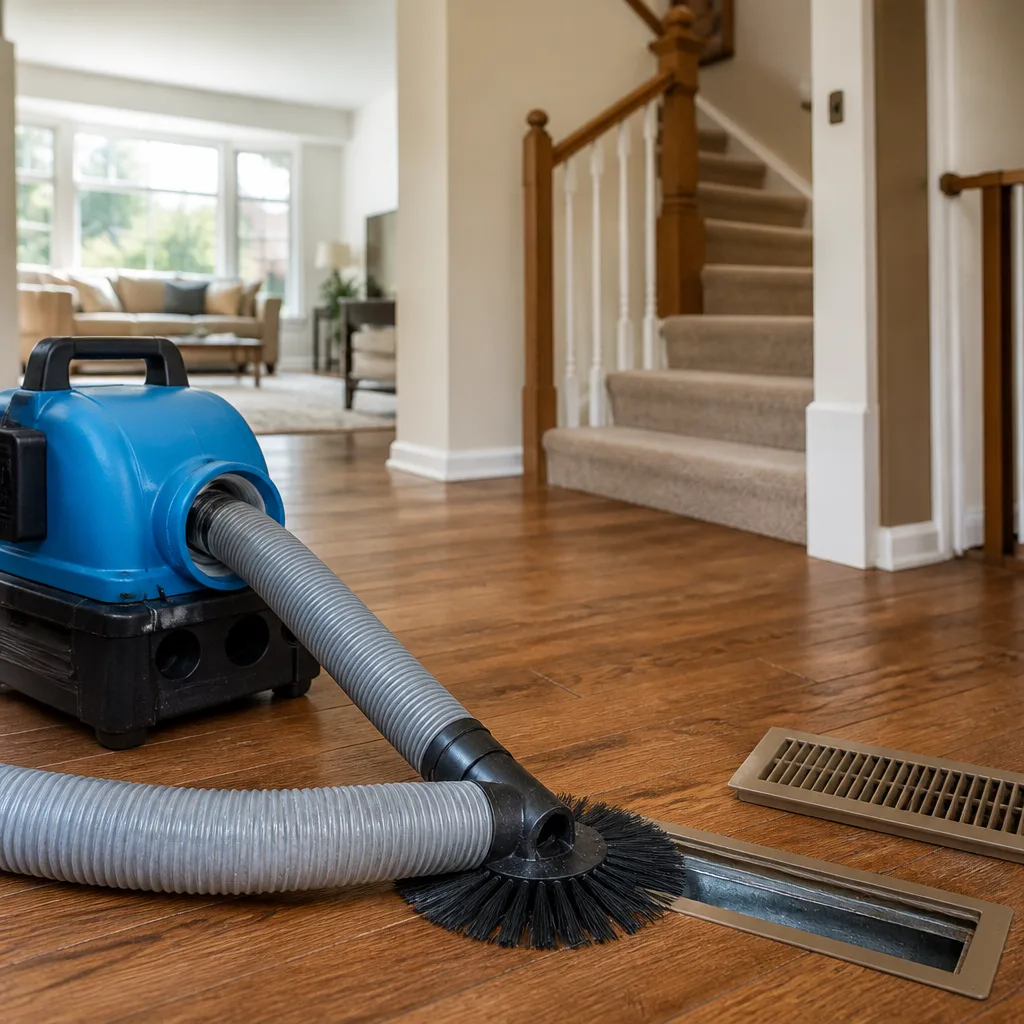 Whole-home duct cleaning
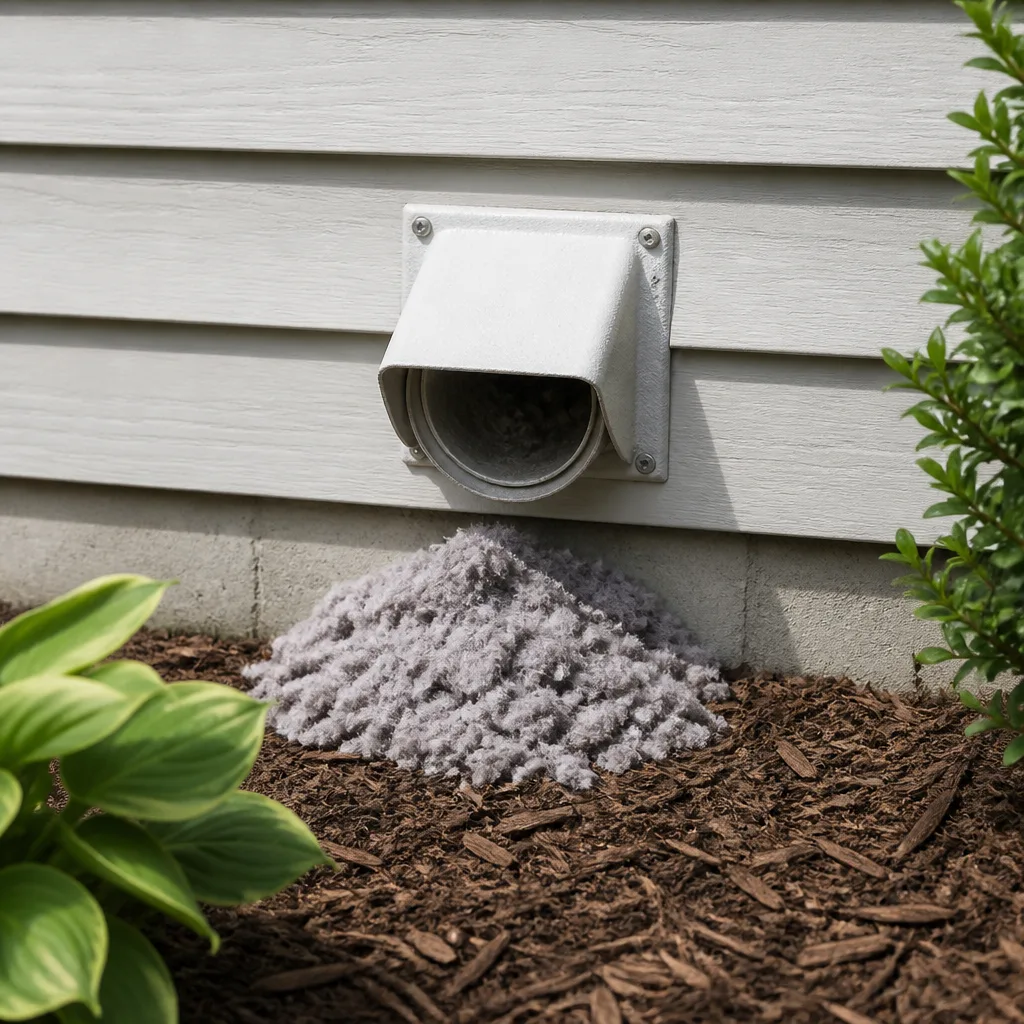 Dryer vent cleaning
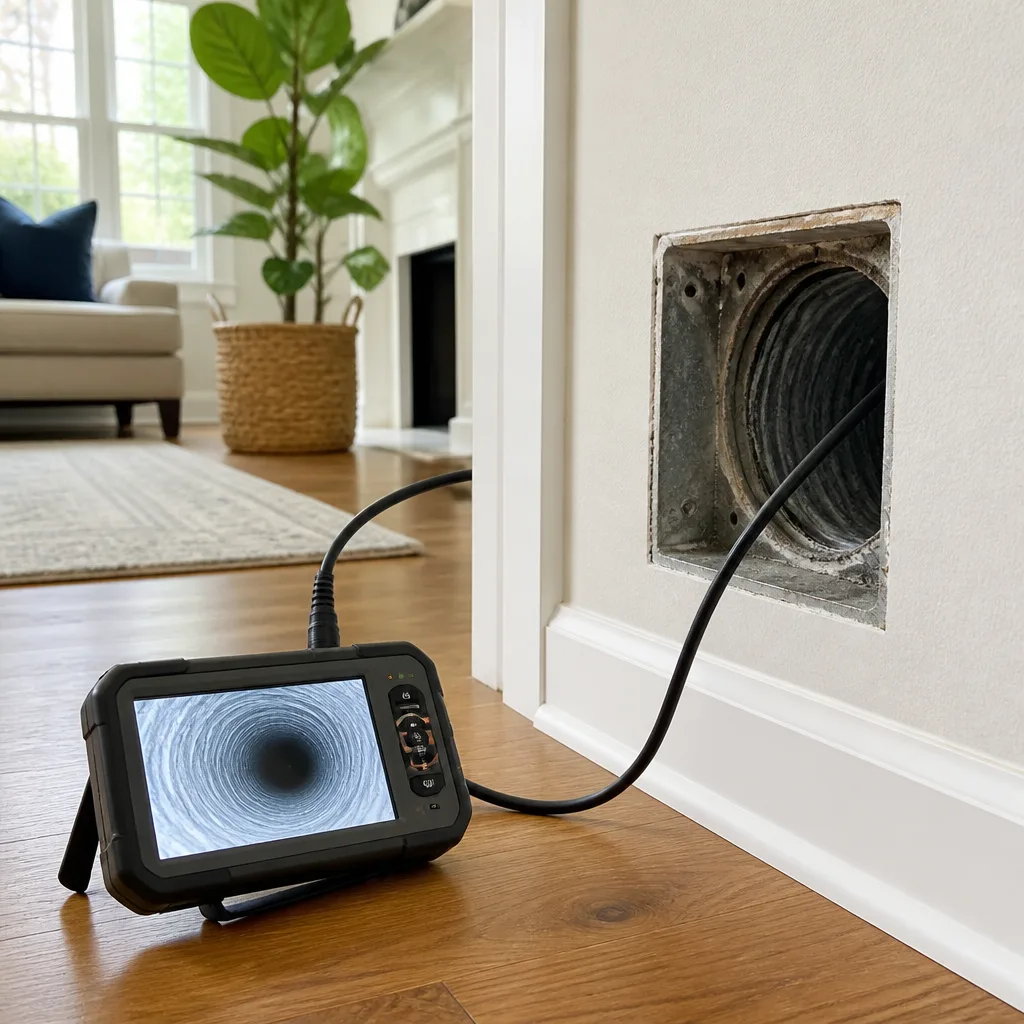 Camera inspection
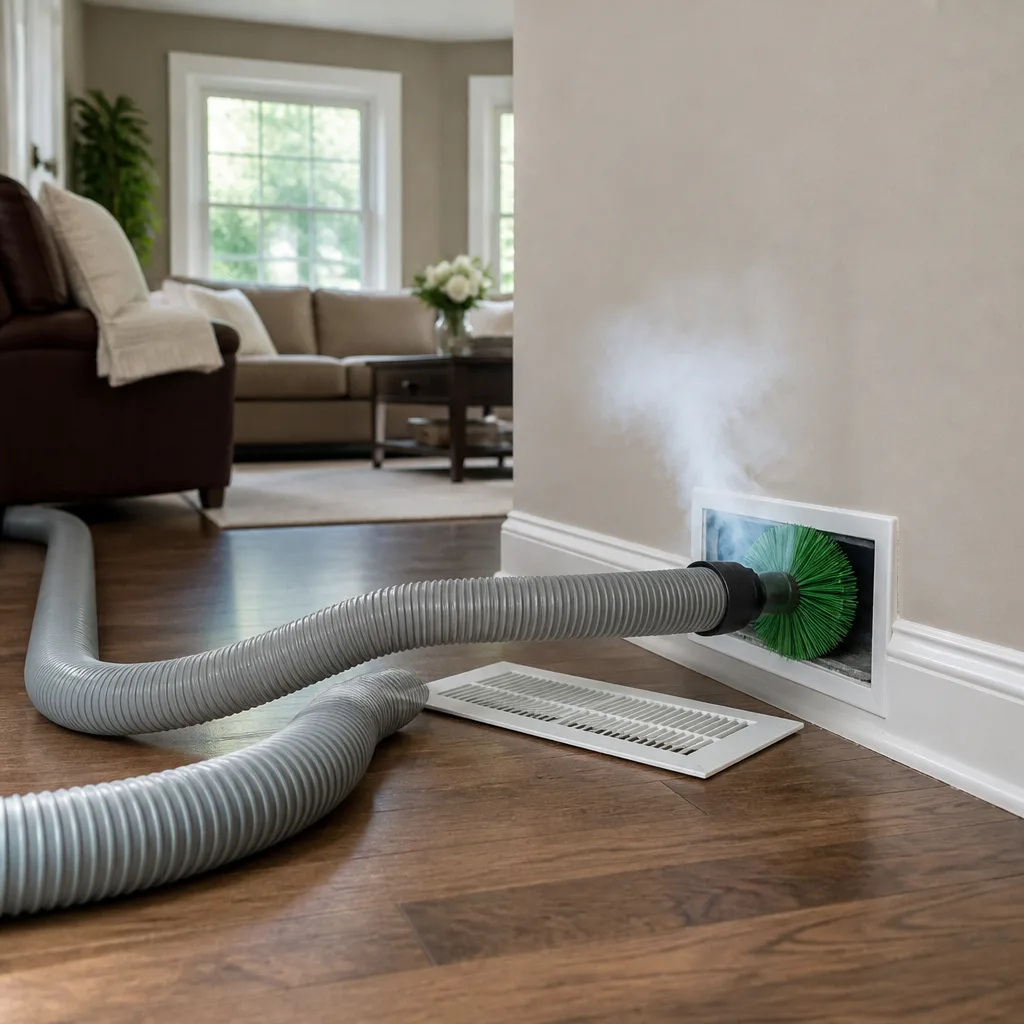 Sanitizing & deodorizing
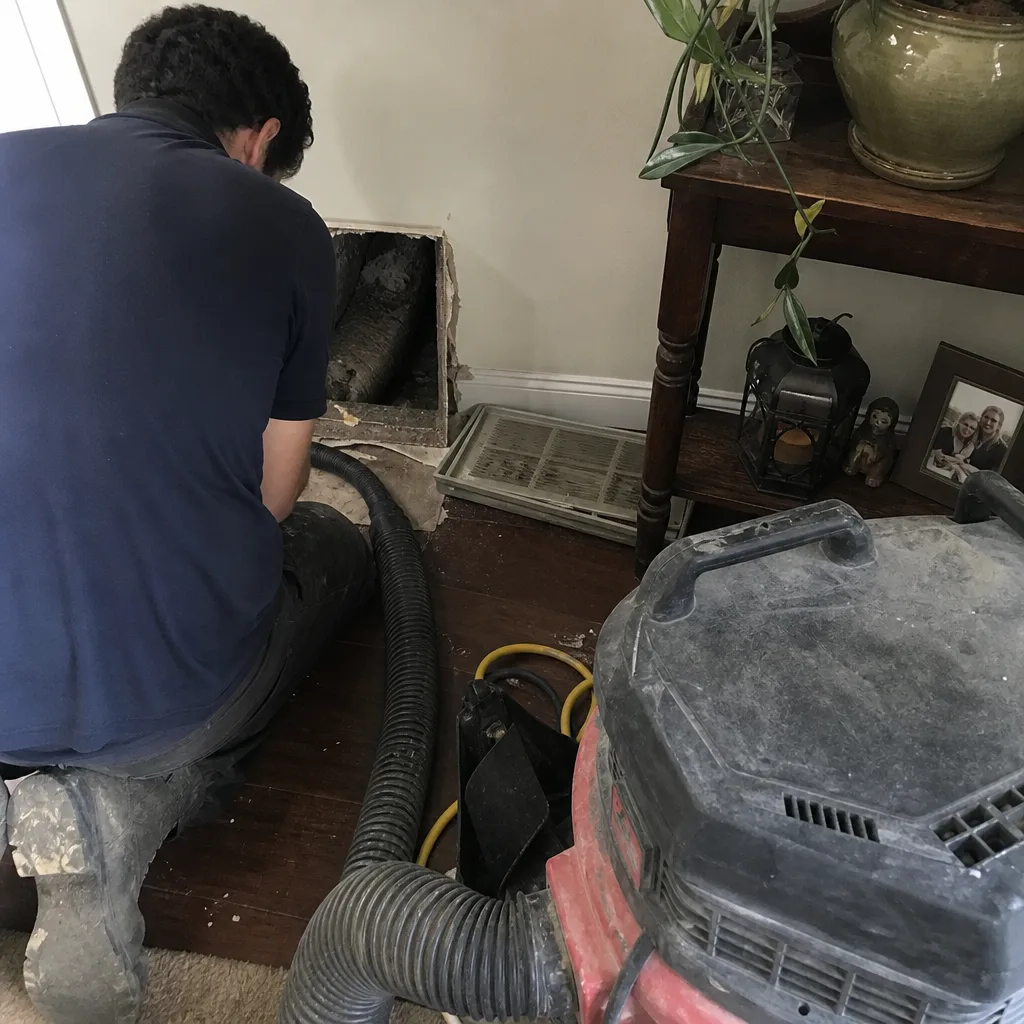
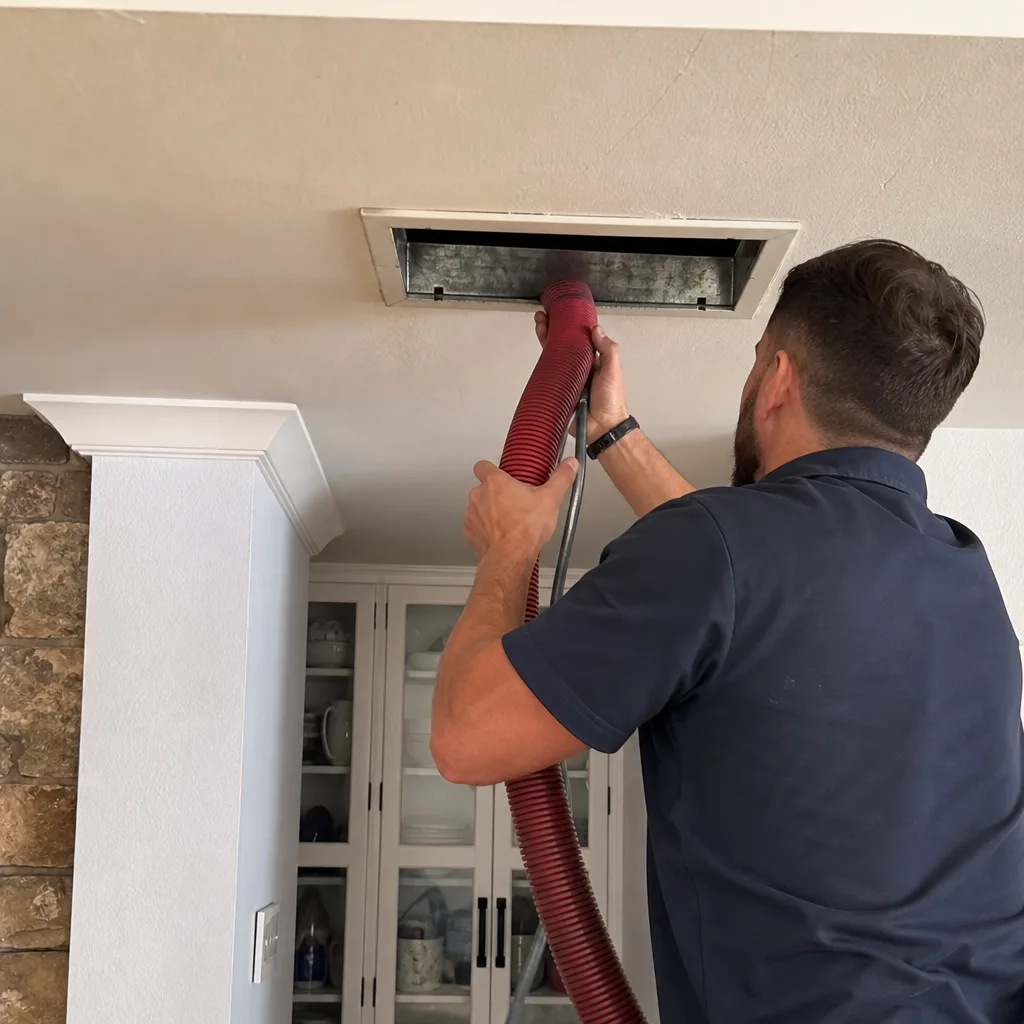
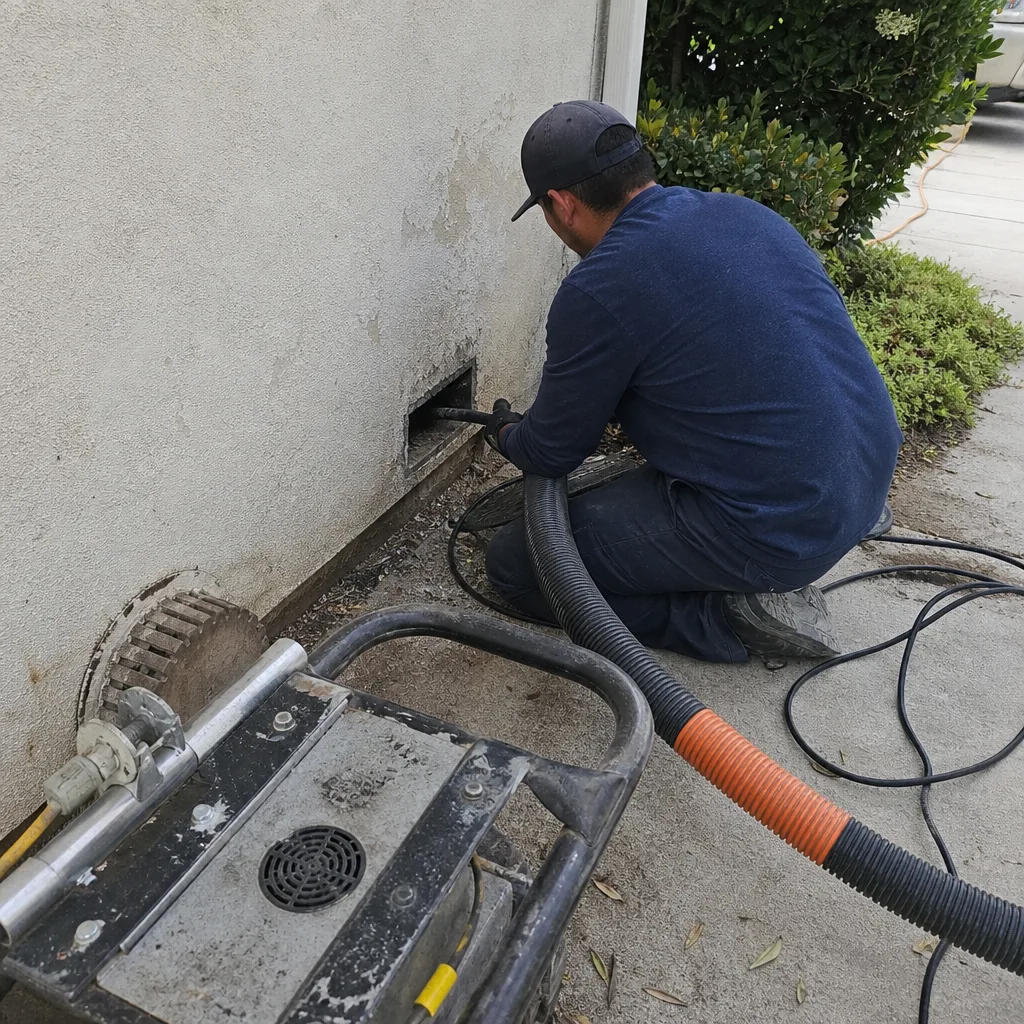
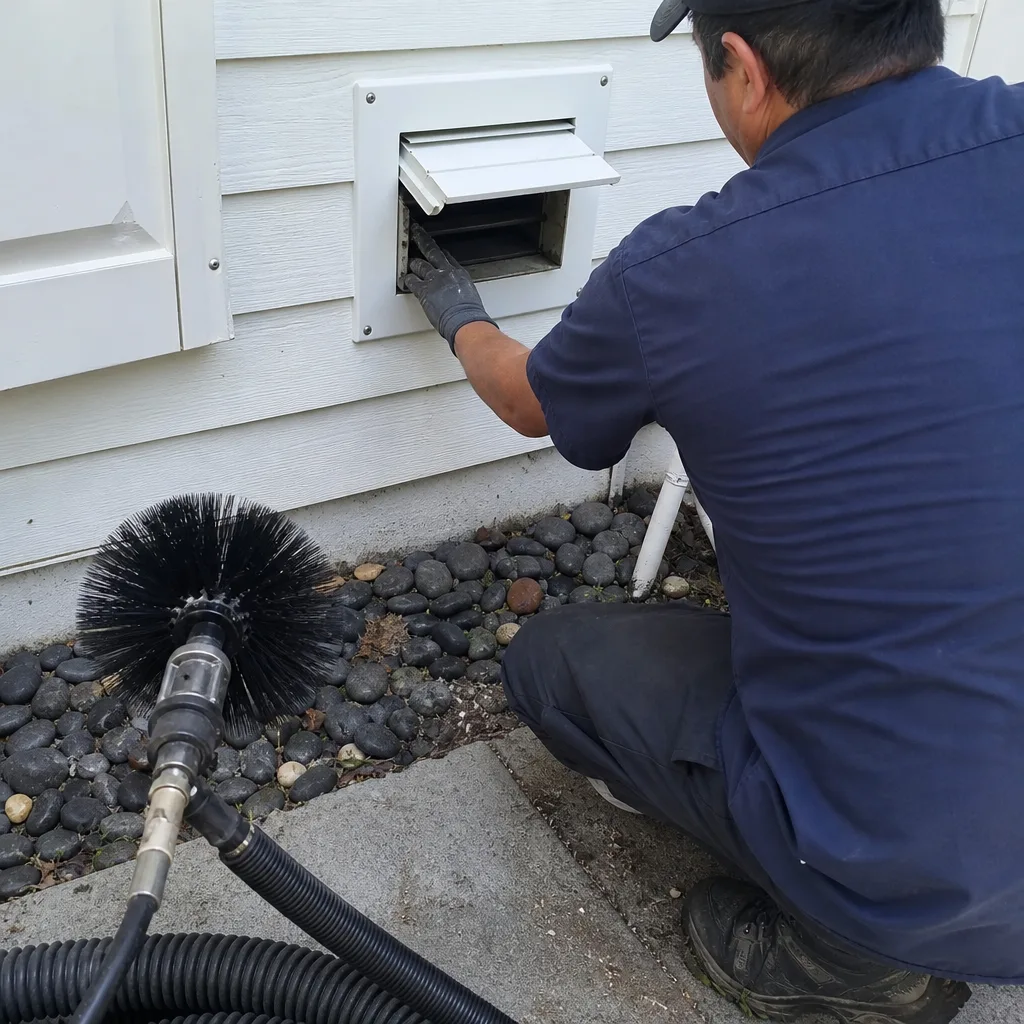
Whole-system duct and dryer vent check with before-and-after photos - you see exactly what came out of your vents
That "$99 whole-house special" is a bait ad - the real number appears once they are in your hallway, or the "clean" is a shop-vac at the register. We photograph the inside of your ducts before and after instead.
Choosing the Right Air Duct Cleaning Brand: A Buyer’s Guide for La Jolla
Here’s something most homeowners never realize: the air duct cleaning industry has no mandatory equipment standard in California. A contractor can legally show up with a $200 wet-dry vac attachment kit and charge the same as a company running $30,000 in containment-grade machinery. The brand names painted on that equipment – Rotobrush, Nikro, Abatement Technologies, Guardsman – tell you more about what you’re actually paying for than any review or coupon ever will. In La Jolla, where salt air and coastal humidity create unique ductwork challenges, this matters even more. Our Complete Air Duct Cleaning Guide for La Jolla Homeowners teaches you how to decode the equipment question so you can separate real contractors from marketing operations before anyone steps foot in your home.
Styles & brands we work with
- Whole-home duct cleaning
- Dryer vent cleaning
- Camera inspection
- Sanitizing & deodorizing
Quick Answer
When choosing an Air Duct Cleaning company in La Jolla, ask one question first: “What equipment do you use?” A professional service will immediately name commercial and professional systems like Rotobrush rotary brush machines or Nikro negative-air units with HEPA filtration. If the answer is vague, if they talk about their “powerful vacuum” without naming a system, or if they deflect to price or experience, you’re likely dealing with consumer-grade equipment – and you should keep looking. The equipment brand is the single most reliable public signal of whether a company performs true source-removal cleaning or just redistributes dust around your ducts.
Table of Contents
- The Equipment Disclosure Problem: Why Nobody Tells You What They Use
- Rotobrush: What These Systems Actually Do and Why It Matters
- Nikro Negative-Air Machines: CFM, HEPA, and Why Suction Alone Is Not Enough
- Abatement Technologies: When Remediation-Grade Equipment Shows Up for Your Ducts
- The Consumer-Grade Trap: What a Shop-Vac Kit Actually Does (and Doesn’t Do)
- How to Ask the Equipment Question and Get a Real Answer
- Why La Jolla Homes Need a Different Standard: Coastal Climate and Ductwork
- Equipment Is Only Half the Picture: Why Repair Capability Matters
- Common Mistakes to Avoid
- When to Call a Professional
- Frequently Asked Questions
- The Bottom Line
The Equipment Disclosure Problem: Why Nobody Tells You What They Use
Walk into any dental office and you’ll see the name of the chair manufacturer, the imaging system, the sterilization equipment. Walk into an auto shop and the lifts, diagnostic tools, and scan equipment are all identifiable. Air duct cleaning is the one home service where the primary tool often remains a mystery, and that mystery is deliberate.
The industry has a structural reason for this. There is no national certification body with enforcement power. There is no mandatory equipment registry. The California Contractors State License Board does not inspect duct cleaning rigs. That leaves a wide opening for what’s known in the trade as “blow-and-go” operations: a technician with a portable vacuum, a few brushes, and a marketing budget that outspends the equipment budget by a factor of ten.
Here in La Jolla, the economics make this worse. This is a high-income market with older homes in neighborhoods like the Village and Muirlands, newer construction up in La Jolla Shores, and everything in between. Duct cleaning companies know that La Jolla homeowners can pay premium prices. Some of those companies invest in the equipment that justifies those prices. Others don’t. The equipment question is how you tell the difference.
We use Rotobrush rotary brush systems and Nikro HVAC equipment – the same tool sets trusted by professional remediation contractors. We also carry Abatement Technologies negative-air and HEPA-filtration equipment on the truck, which lets us perform containment-grade cleaning that captures dislodged debris instead of pushing it into your living space. We’re specific about this because we want you to compare it against what the next company says when you ask them the same question.
When a contractor deflects by saying “we’ve been doing this for 20 years,” that’s not an answer. Experience matters, but experience with the wrong tools is just repetition of an ineffective process. The brand name on the machine is the one piece of information a contractor can’t fake. Either the equipment is on the truck or it isn’t.
Rotobrush: What These Systems Actually Do and Why It Matters
Rotobrush is the most recognized name in professional duct cleaning for a legitimate reason: their systems are built around source removal, which is the industry term for physically detaching debris from duct surfaces rather than merely sniffing at loose dust with a vacuum hose.
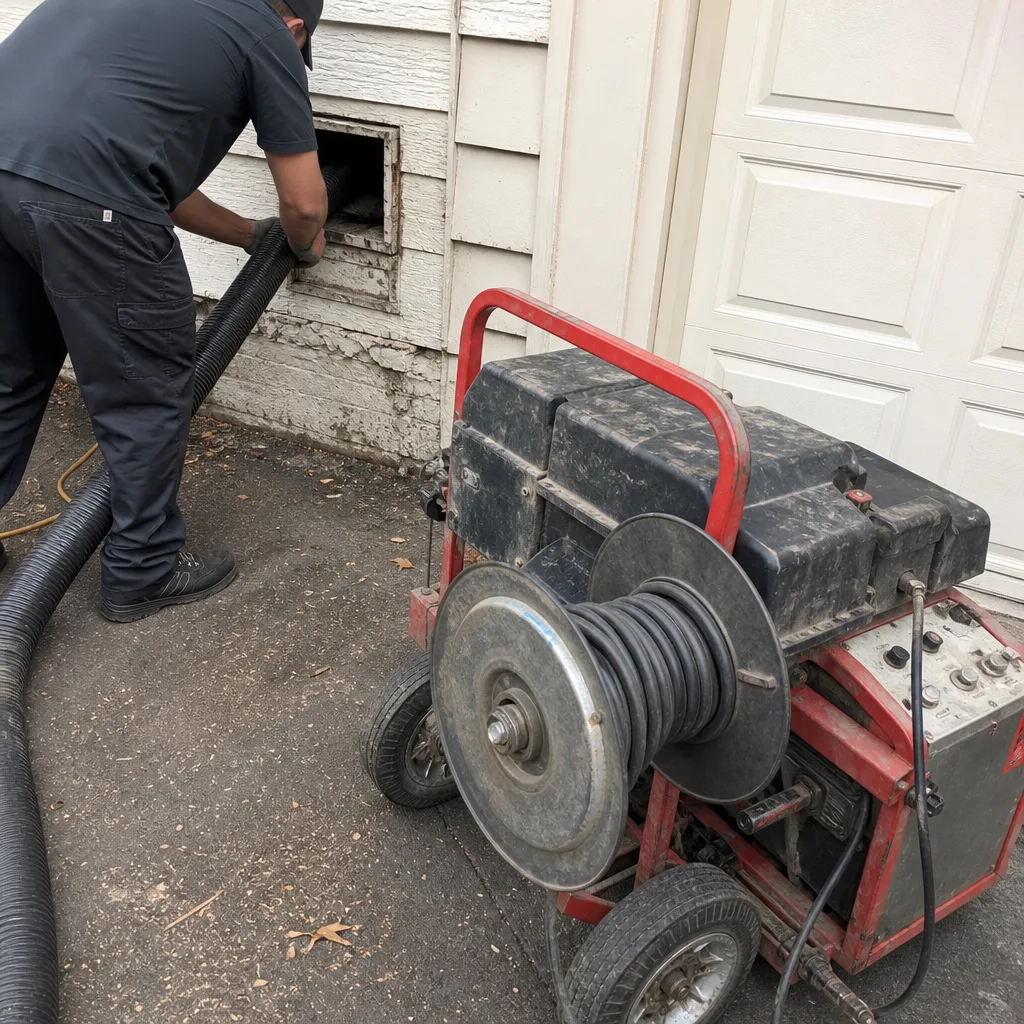
Here’s what the name actually means in terms of mechanics. A Rotobrush system uses a rotating brush head, often with nylon or hybrid bristles, fed through the ductwork on a flexible shaft. The brush makes continuous physical contact with the interior surface of the duct, agitating and dislodging debris that has adhered to the walls. Simultaneously, a high-efficiency vacuum system captures the debris as it is being brushed loose. The brushing and the vacuuming happen at the same time, in the same pass.
Why does this matter for your La Jolla home? Because of what’s actually inside your ducts. Dust that has been sitting in a warm, occasionally humid environment – and La Jolla’s coastal air carries moisture year-round – becomes compacted. It adheres. It forms a film that a pure suction system will not remove. This is especially true in lined ductwork, where the fibrous interior surface is designed to deaden sound but also provides an excellent grip for debris.
The simultaneous contact-and-capture method is the difference between sweeping a floor and just running a vacuum over it without touching the surface. The broom gets what the vacuum alone leaves behind. In duct cleaning, the rotary brush is the broom.
Rotobrush is also a modular system. Different brush head sizes and stiffness levels exist for different duct materials. A good technician will have multiple heads on the truck and will choose based on whether your ducts are rigid metal, flexible insulated, or lined with fiberglass. If you ask a company what brush type they’ll use on your specific ductwork and they can’t answer, that’s a tell.
Nikro Negative-Air Machines: CFM, HEPA, and Why Suction Alone Is Not Enough
If Rotobrush represents the agitation side of professional duct cleaning, Nikro represents the containment side. These are negative-air machines, and understanding them means understanding one number: CFM, or cubic feet per minute of air movement.
A consumer-grade wet-dry vac might move 150 to 200 CFM. A mid-range shop unit, maybe 300. Nikro negative-air machines used for duct cleaning start well above that and go up significantly for commercial applications. That distinction is not marketing. It’s physics. You cannot create negative pressure across an entire duct network with a machine that isn’t moving enough air volume to pull from every branch line simultaneously.
Here’s how a negative-air system works in practice. The machine is connected to the duct system, typically at the furnace or air handler. It pulls air through the entire network while cleaning is being performed at each register. This creates a continuous directional airflow from the register openings toward the machine. Any debris dislodged by the agitation process is carried by that airflow toward the collection point, not allowed to settle or escape back into the home.
The second critical component is HEPA filtration at the exhaust. A Nikro negative-air unit with HEPA filtration captures particles down to 0.3 microns at 99.97% efficiency. That means the air being exhausted from the machine is cleaner than the air in the room. Without HEPA filtration, a high-CFM machine is blowing partially filtered debris back into the living space. You’d be trading one problem for another.
For residential systems in La Jolla homes, typically ranging from 1,500 to 4,500 square feet with commensurate duct volumes, a properly-sized negative-air unit is the baseline for professional work. For light commercial spaces – think a small office in La Jolla Village or a retail space on Girard Avenue – a higher output machine is warranted. The correct answer to “what size unit do you use?” depends on the property, and a professional will ask about square footage and system configuration before quoting equipment.
Nikro is also a trusted name in the broader HVAC and restoration industries. When a water-damage remediation crew sets up containment, the exhaust machine running is frequently a Nikro. The fact that this brand crosses over from remediation into duct cleaning is not a coincidence. The underlying need – moving large volumes of air through a controlled pathway with certified filtration – is the same problem in both fields.
Abatement Technologies: When Remediation-Grade Equipment Shows Up for Your Ducts
Abatement Technologies is a name that rarely appears in residential duct cleaning marketing, and that’s exactly what makes it valuable as a signal. The company builds negative-air machines and air scrubbers primarily for environments where airborne contamination is a health and safety issue: asbestos abatement, mold remediation, hospital construction, lead paint removal.
When that equipment is on the truck of a residential duct cleaning company, it means something specific. It means the operator is prepared to do more than clean. They’re prepared to contain. An air scrubber from Abatement Technologies continuously cycles room air through HEPA filtration while work is underway, reducing the particulate load in the occupied space. A negative-air unit of the same brand can be configured to exhaust filtered air outside the envelope, actively preventing cross-contamination between the work zone and the rest of the home.
Is that overkill for a standard duct cleaning in a La Jolla condo? Probably, for the basic job. But here’s the thing: your ducts are not always in “standard” condition. Houses in Bird Rock and La Jolla Shores deal with sand intrusion. Older homes in the Village have decades of accumulated debris. Properties that have been through renovations – and La Jolla sees a lot of those – carry construction dust in the HVAC system that can take months to cycle out.
We carry Abatement Technologies equipment because we’d rather have the capability and not need it than face a situation where containment is necessary and the right tool is sitting in a warehouse across town. It also means we can handle situations that a standard cleaning company would need to walk away from: compromised ducts with possible contaminant concerns, post-renovation cleanups with heavy particulate loads, systems where occupants have specific respiratory sensitivities.
For a homeowner evaluating a company, here’s the cue: a contractor who owns expensive remediation equipment but doesn’t mention it is leaving capability on the table. A contractor who doesn’t own it at all can’t offer the same level of containment, regardless of what the quote says. The equipment is the capability.
The Consumer-Grade Trap: What a Shop-Vac Kit Actually Does (and Doesn’t Do)
Walk through any big-box hardware store and you’ll find duct cleaning kits for sale. They typically include a long flexible hose, a few brush attachments, and some manner of adapter end. The pitch is self-service: attach this to your wet-dry vac, feed it into your ducts, and save hundreds of dollars. Some contractors run the same equipment with a heavier vacuum and call it professional service.
Here’s what those kits cannot do.
- They cannot create the airflow volume needed for whole-system capture. A standard wet-dry vac moves 150 to 200 CFM. A duct network with eight to fourteen branch lines needs significantly more air movement to create directional capture at every register. With a shop-vac, you are cleaning one point at a time with no system-wide negative pressure. Loose debris drifts to other parts of the duct, settles, and remains.
- They cannot agitate adhered debris. The brush attachments included in consumer kits do not have the rotational torque or the surface contact design of a professional rotary brush system. They may knock some loose dust free, but the compacted film that accumulates over years – particularly in La Jolla’s humid coastal environment where moisture causes debris to cake onto duct surfaces – stays put.
- They have no meaningful filtration. A standard wet-dry vac has a basic filter, not a HEPA filter. The exhaust from the vacuum will contain fine particulates that pass through the filter media. You are effectively aerosolizing dust from inside your ducts into your living room air. For a homeowner with allergies or asthma, this can trigger symptoms.
- They cannot reach the entire duct run. Consumer hoses have limited reach and stiffness. Ducts with bends, transitions, and long runs through attics or crawlspaces in split-level La Jolla homes will not be fully accessed. The contractor cleans what’s reachable and tells you the job is done.
The uncomfortable parallel here is painting. You can buy a brush and a roller at a hardware store, and a professional painter uses a brush and a roller too. But the professional Grade tools – the sprayers, the scaffolding, the right primers – determine the outcome. Air duct cleaning is no different. The gap between a $150 consumer kit and a professional negative-air and rotary brush system is not incremental. It is categorical.
When you’re comparing quotes in La Jolla and one company comes in at $199 and another at $499, understand that those numbers usually represent two different services being called by the same name. The lower quote is often the consumer kit with a technician’s labor priced on top. The higher quote is the professional system. Paying less to have your ducts partially cleaned is not a savings.
How to Ask the Equipment Question and Get a Real Answer
The single most predictive question you can ask a duct cleaning company in La Jolla is: “What equipment do you use, and can you name the specific systems?” Here’s how to do it effectively, because how you ask determines whether you get a real answer or a deflection.
- Ask before you mention price. If you ask for a quote first, the conversation becomes about the number. Ask about equipment first, when you have maximum leverage and attention. “Before we talk pricing, what equipment do you run?”
- Ask for brand names, not descriptions. “We use professional-grade equipment” is not an answer. “We run a Nikro negative-air machine with HEPA filtration and a Rotobrush rotary brush system” is an answer. If they can’t name the equipment, they probably don’t own it.
- Ask a follow-up about the settings. A legitimate operator who runs professional equipment can answer technical questions without pausing. Ask: “What filtration rating is on your exhaust?” or “What CFM does your negative-air unit pull?” If the person goes silent or redirects, that’s information.
- Ask about the brush type for your specific ducts. If you have flexible ducts (common in La Jolla homes, especially post-1980s construction), ask what brush head they’ll use. The answer should reflect knowledge of duct materials. “We match the brush stiffness to the duct type” is a sign of competence. “It’s a universal brush” is a sign of a kit.
- Watch for deflection language. “We’ve been in business for a long time,” “our reviews speak for themselves,” and “we clean tons of homes just like yours” are all ways of not answering the question. A real answer includes a noun.
What does it mean when a contractor can’t name their equipment? It means one of two things. They don’t know (which is rare for an owner-operator but common for a subcontractor sent by a lead-generation company), or they’re using consumer-grade equipment and they know it won’t impress you. Either way, you’ve learned what you need to know. Move on.
For the record, our trucks carry Rotobrush rotary brush systems and Nikro HVAC equipment – the same tool sets trusted by professional remediation contractors. We also carry Abatement Technologies negative-air and HEPA-filtration equipment for containment-grade cleaning. When you call us and ask what we use, that’s the answer you’ll get, and we’ll happily talk CFM, filtration ratings, and brush types with you.
Why La Jolla Homes Need a Different Standard: Coastal Climate and Ductwork
Duct cleaning is not a uniform service. The same process applied to a home in Phoenix, where the air is dry and ducts bake in 110-degree heat, does not translate directly to a home in La Jolla, where the marine layer rolls in and the air carries moisture and salt. Our Complete Guide to Air Duct Cleaning in La Jolla explains what that means for your ductwork specifically.
Salt air is an abrasive, corrosive environment. Over time, the fine salt particles that drift in from La Jolla Cove and the Pacific settle into duct systems, especially in coastal properties along Coast Boulevard, Prospect Street, and the hillside homes with ocean exposure. Salt accelerates corrosion on metal duct components. It also mixes with normal household dust to create a residue that adheres more aggressively to duct surfaces than dry dust. This is one of the reasons professional-grade agitation matters more in La Jolla than in inland San Diego neighborhoods.
Humidity is the other factor. La Jolla’s relative humidity regularly sits in the 70 to 90 percent range during marine layer events. When humid air cycles through your duct system, the moisture interacts with accumulated dust, creating a binding effect. Debris cakes onto surfaces. This is why a suction-only cleaning leaves visible residue behind in coastal homes but can appear adequate in dryer climates. The debris is simply harder to remove here.
Housing stock adds another dimension. La Jolla has a mix of mid-century homes in the Village and Bird Rock with original or aging ductwork, some of it metal, some of it lined or replaced with flexible duct over decades of remodels. We regularly encounter systems in this market that are 30 to 50 years old, sometimes with original registers. Older ducts run through attics and crawlspaces that see temperature swings and infiltration. The condition of the ductwork itself – separate from the debris inside it – is a significant variable in how cleaning should be approached.
This is also why Air Duct Repair in La Jolla matters alongside cleaning. Coastal conditions don’t just dirty ducts; they degrade them. A company that can identify damaged sections and repair them in the same visit is providing a fundamentally different service than one that only runs a brush through. We’ll come back to this.
Equipment Is Only Half the Picture: Why Repair Capability Matters
Here’s a scenario we encounter regularly in La Jolla. A homeowner schedules a duct cleaning. The technician arrives, starts the process, and discovers that a section of flex duct in the crawlspace is crushed, or a joint has separated, or the plenum has corroded through in a corner. Now what?
If the company is cleaning-only, the answer is: they clean around it, hand you a note saying you have a problem, and drive away. You now need to find a different contractor – often an HVAC company that doesn’t specialize in ducts – schedule a second appointment, and pay a second trip charge. The cleaning you just paid for is partially compromised because the air was flowing through a damaged section during the entire job.
We do Air Duct Cleaning in La Jolla in a way that includes repair capability in the same visit. That’s not a sales add-on. It’s a reflection of what actually lives inside La Jolla walls. When we find damaged flex duct, we can address it. When a joint has separated due to age or corrosion, we can reseal it. When a section of rigid duct has rusted through near the coast, we can replace that section. The cleaning and the repair happen in one appointment, and you don’t have to coordinate between two companies or wonder whether the cleaning was even effective given the damage.
If you’re evaluating companies, ask this question directly: “Do you handle duct repair, or is this cleaning only?” The answer reveals whether you’re hiring a maintenance service or a full-service capability. There’s nothing wrong with a cleaning-only provider if your ducts are in great shape. But most La Jolla homeowners don’t know what shape their ducts are in until someone credible looks at them. And by then, you want the person standing in your hallway to be the one who can fix what they find.
Repair capability also connects to the equipment question. A technician who runs professional negative-air and rotary brush systems is working on ducts with enough airflow to see and assess the condition of the network. A technician working with a consumer vac barely has the suction to clean, let alone diagnose. The same tools that improve the cleaning outcome are the tools that reveal the condition of the whole system.
Common Mistakes to Avoid
- Choosing by price alone. In La Jolla, the spread between a consumer-kit job and a professional source-removal cleaning is typically hundreds of dollars. Choosing the cheap option usually means paying for a partial service. If the equipment can’t be named, the price is probably hiding something.
- Not asking about filtration. A machine with high suction but no HEPA filtration is blowing fine particulates back into your home. In a coastal climate where windows stay open and dust blows in from the shore, this defeats the purpose. Ask about the exhaust filtration specifically.
- Assuming all companies use the same tools. They don’t. The gap between a Rotobrush rotary system and a hardware-store brush kit is enormous. If you don’t ask, you won’t know which one you’re paying for.
- Trusting before-and-after photos without context. Any camera can make a dirty duct look clean after a pass. Ask what the photos represent: which register, what access method was used, and what wasn’t photographed. Duct systems have corners and transitions, and those are where debris hides.
- Ignoring the repair question. La Jolla homes, especially coastal ones, often have duct damage that cleaning alone won’t fix. If your company only cleans and can’t repair, you may pay for a cleaning that doesn’t solve the underlying problem.
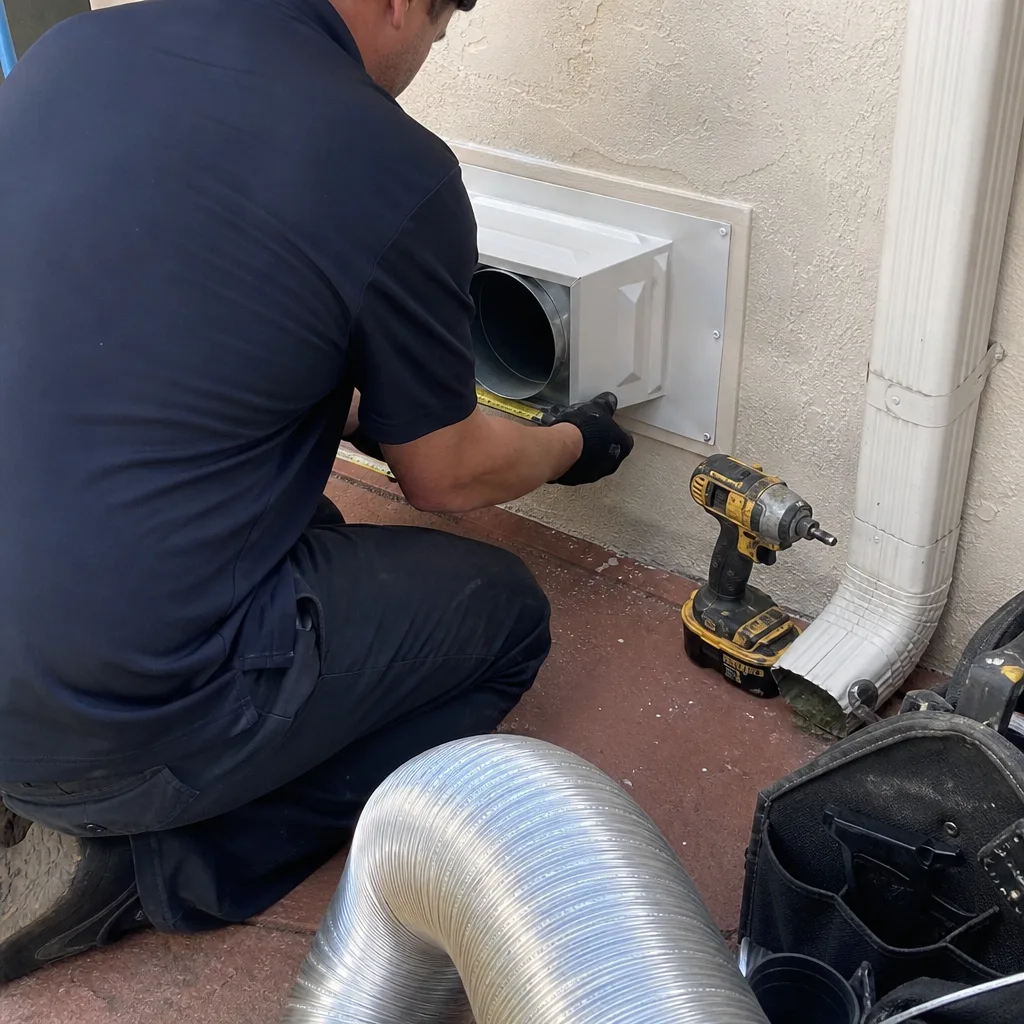
- Treating dryer vents as an afterthought. If a company offers duct cleaning but not dryer vent cleaning, that’s a signal about how they think about home systems. Your dryer vent is a fire-risk issue, not just a maintenance item. Dryer Vent Cleaning in La Jolla should be part of your home maintenance plan regardless of who does the duct work.
- Waiting for visible dust before acting. By the time you see dust blowing from your registers, the problem has been building for years. Ductwork is invisible infrastructure. The absence of visible symptoms does not mean the system is clean.
When to Call a Professional
Some situations are obvious: you see visible dust or debris blowing from your registers, you notice a musty smell when the HVAC runs, or you’ve just finished a renovation and know construction dust has entered the system. Other signs are less obvious but equally worth a call. If your energy bills have crept upward without explanation, there’s a chance your ductwork is partially obstructed – and in La Jolla, utility costs are already high enough without your HVAC system working against itself.
If you or someone in your home deals with allergies or respiratory issues, the case for professional cleaning with HEPA-filtration equipment is stronger. If you’ve owned your home for years and have no record of the ducts ever being cleaned, that’s worth investigating. And if you suspect duct damage – rooms that never reach temperature, visible flex duct in the crawlspace that looks compressed or sagging – that’s a repair question as much as a cleaning one.
Air Duct Cleaning La Jolla offers free estimates in La Jolla – call (866) 282-7507. We’ll ask you about your system, your square footage, and your concerns, and give you a straight answer about scope and price. No pressure, no bait-and-switch pricing, and we’ll tell you exactly what equipment will be on the truck.
Frequently Asked Questions
Professional air duct cleaning in La Jolla typically ranges from $400 to $800 for a single-family home, depending on square footage, number of registers, and system configuration. That range reflects professional equipment – negative-air machines with HEPA filtration and rotary brush systems. Quotes below $300 in this market are almost always consumer-grade equipment or a low-ball entry price that escalates once the job starts. Call (866) 282-7507 for an exact quote based on your home – estimates are free.
The difference is equipment and scope. A company quoting $199 in La Jolla is almost certainly running a portable vacuum with a brush attachment, not a negative-air system with HEPA filtration. They may also be quoting a flat rate that excludes the full duct network, charges more to actually complete the job, or skips the agitation process entirely. Professional source-removal cleaning requires expensive machinery and takes real time. The cost difference shows up in the equipment and the outcome.
Ask for before-and-after photos from inside the ducts, not just at the register openings. Ask which sections of the duct system were photographed and what access points were used. A professional company working with negative-air equipment can show you the debris captured by the machine’s collection system. If a company won’t show you evidence from inside the ductwork, assume the evidence doesn’t exist. Call (866) 282-7507 and we’ll walk you through what we document on every job.
For most La Jolla homes, every 3 to 5 years is a reasonable interval, assuming no major events intervene. Renovation work, water damage, pest intrusion, or a significant period with the system off can all trigger a need sooner. Coastal homes with salt-air exposure may benefit from more frequent attention to prevent corrosion-related buildup. The honest answer is that it depends on what’s actually in your ducts, which is why a professional assessment matters more than a calendar.
The difference is whether debris is physically detached from duct surfaces. Source removal – the approach used with Rotobrush and other professional rotary systems – uses mechanical agitation to break debris free from the duct walls before or while vacuum capture occurs. Standard cleaning relies on suction alone, which removes loose dust but leaves the compacted film that accumulates over time. In La Jolla’s humid coastal climate, that film is significantly more stubborn than in dry inland areas, making source removal the more meaningful standard.
Yes, and for a practical reason: brand names in this industry are shorthand for system capability. Rotobrush means a rotary brush system with contact agitation. Nikro means high-CFM negative air with HEPA filtration options. Abatement Technologies means containment-grade hardware from the remediation industry. These aren’t interchangeable labels; they describe different machine categories. A company that can name its equipment is a company that owns and operates specific machinery. A company that can’t name its equipment is a company you shouldn’t hire.
The Bottom Line
Air duct cleaning in La Jolla is a market where equipment determines outcomes, and outcomes determine whether you’re paying for a real service or a gesture. Ask what equipment a company uses. Listen for brand names and specific machines, not vague assurances. Look for source-removal processes with rotary brush agitation and negative-air containment with HEPA filtration. Consider whether the company can repair what it finds, because coastal ducts often need more than cleaning. And if you want to skip the research and call a La Jolla company that runs Rotobrush, Nikro, and Abatement Technologies equipment on every job, our home page is the place to start.
For all your duct cleaning, dryer vent, and duct repair needs in La Jolla, call (866) 282-7507 for a free estimate. We’ll tell you exactly what’s on the truck and why it matters.
Written by the team at Air Duct Cleaning La Jolla, serving La Jolla since 2018.
See the difference
 Before
 After
 Before
 After
 Before
 After