
Last updated November 3, 2026
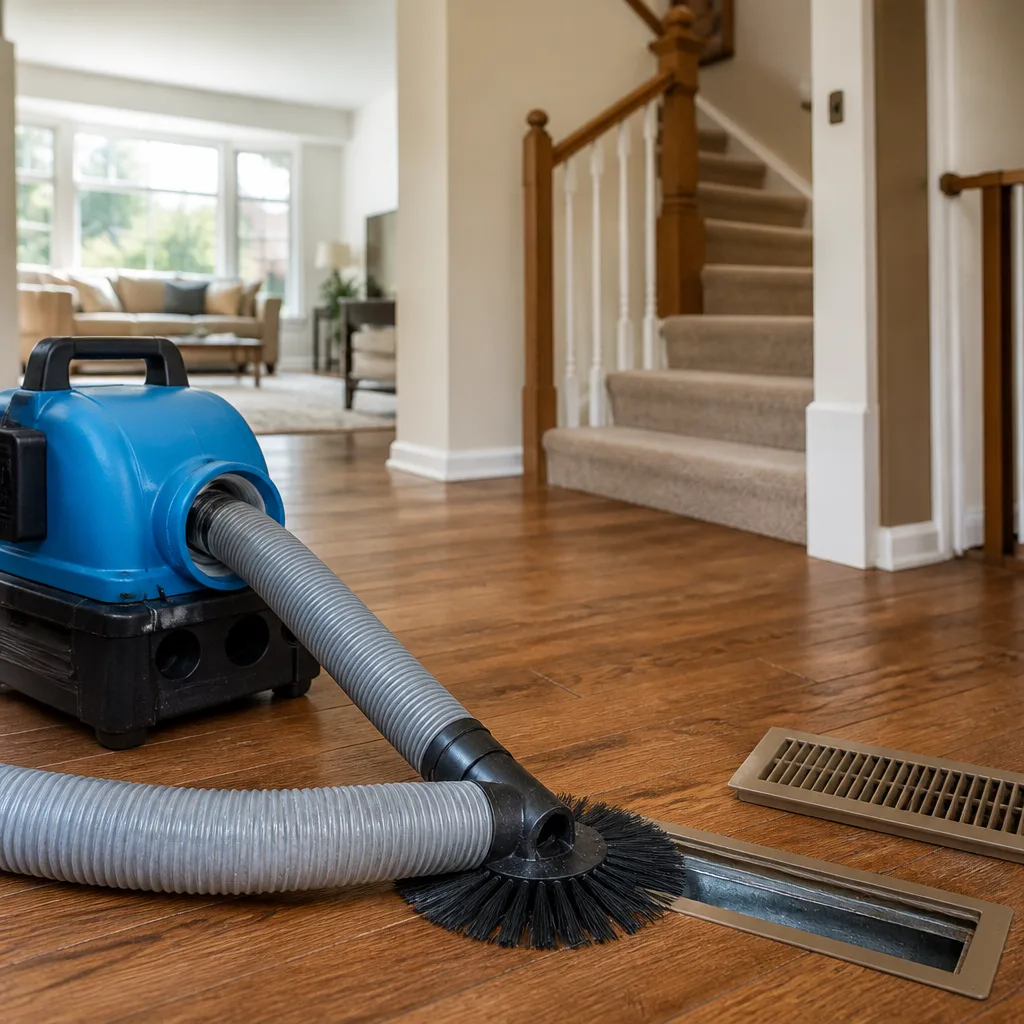 Whole-home duct cleaning
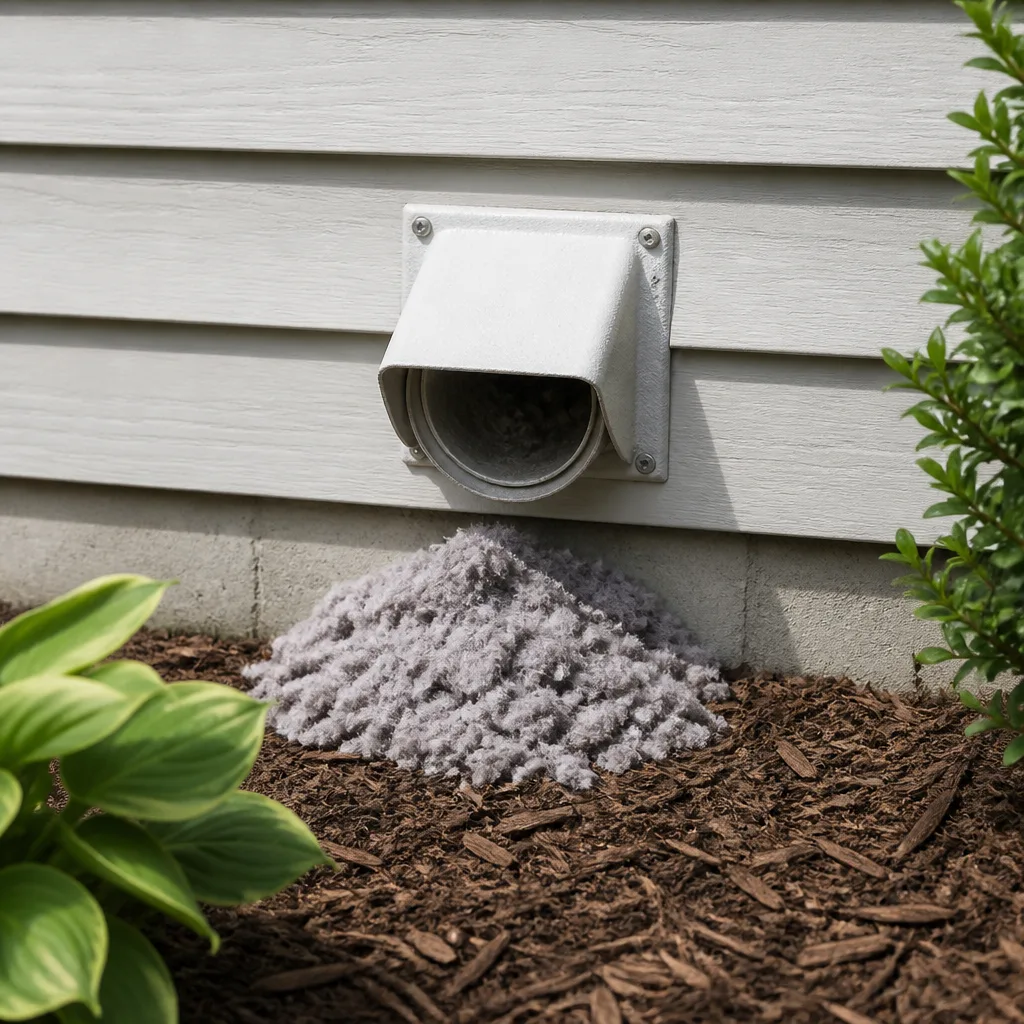 Dryer vent cleaning
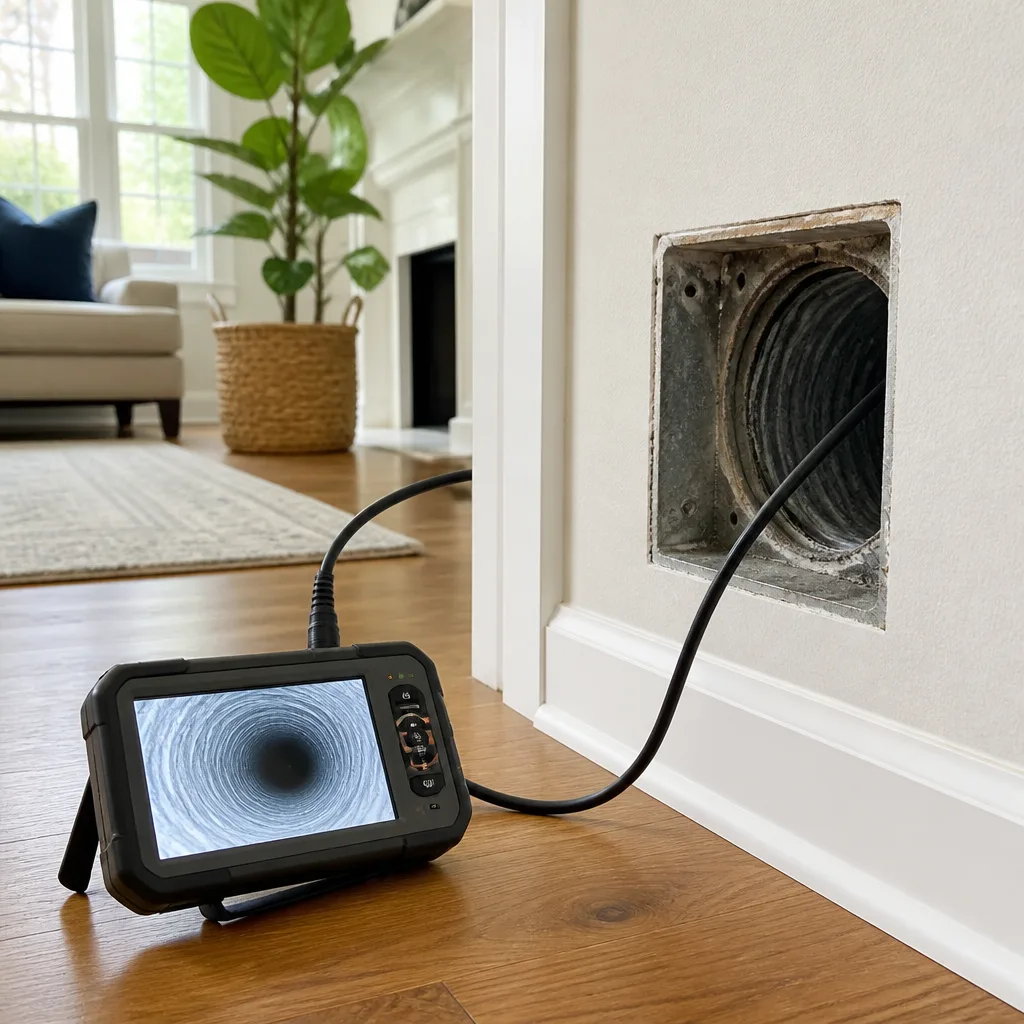 Camera inspection
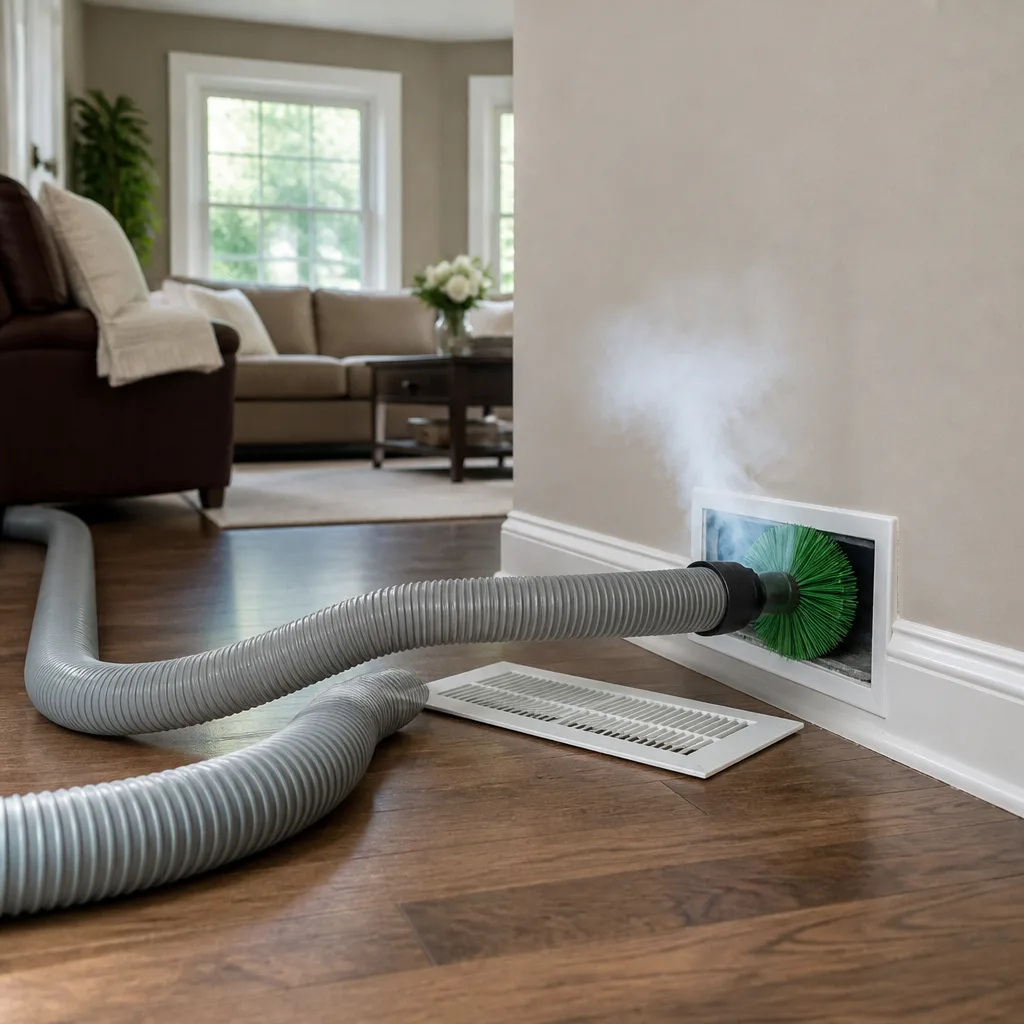 Sanitizing & deodorizing
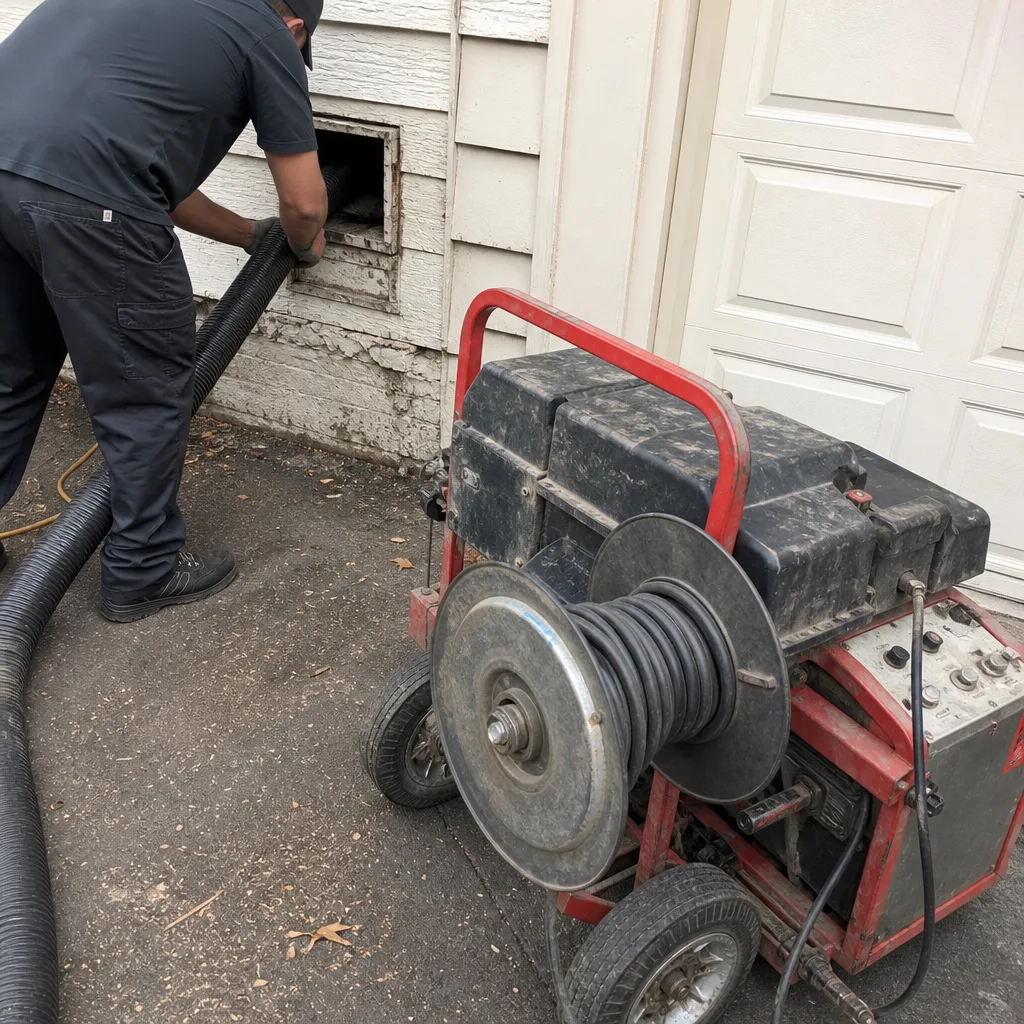
Whole-system duct and dryer vent check with before-and-after photos - you see exactly what came out of your vents
That "$99 whole-house special" is a bait ad - the real number appears once they are in your hallway, or the "clean" is a shop-vac at the register. We photograph the inside of your ducts before and after instead.
The Complete Air Duct Cleaning Guide for La Jolla Homeowners
The marine layer that keeps La Jolla summers bearable also pushes ambient humidity into ductwork for roughly 200 days a year. That persistent moisture creates conditions inside your HVAC system that a standard vacuum-and-brush job simply won’t address. This guide maps the entire air duct cleaning process against La Jolla’s specific coastal environment: salt air, canyon dust, marine layer humidity, and the way each affects different duct materials. By the end, you’ll know exactly what should happen during a professional cleaning in La Jolla, what equipment matters, what verification looks like, and which questions separate a real cleaning from a drive-by job.
Styles & brands we work with
- Whole-home duct cleaning
- Dryer vent cleaning
- Camera inspection
- Sanitizing & deodorizing
Quick Answer
Air duct cleaning in La Jolla typically costs $450 to $900 for a full system, takes 3 to 6 hours, and should include source-removal agitation with negative-air HEPA extraction, not just contact vacuuming. Homes in La Jolla’s coastal zone need inspection for humidity-related contamination on fiberglass duct liner, while canyon-adjacent homes accumulate heavier silica dust loads that require longer agitation passes. A verified job ends with camera inspection, airflow testing, and a filter baseline check.
Table of Contents
- Why La Jolla’s Microclimate Changes the Duct Cleaning Equation
- What Source-Removal Cleaning Actually Means
- The Equipment That Separates Real Cleaning from Shop-Vac Work
- Duct Materials in La Jolla Homes: Sheet Metal, Flex, and Fiberglass Liner
- The Cleaning Sequence: Step by Step
- Canyon Homes vs. Waterfront Homes: Different Particulate Profiles
- Post-Cleaning Verification: How to Know the Work Was Done
- Common Mistakes to Avoid
- When to Call a Professional
- Frequently Asked Questions
- The Bottom Line
Why La Jolla’s Microclimate Changes the Duct Cleaning Equation
The ducts in a La Jolla home face conditions that a house in El Cajon or Poway will never experience. That’s not marketing language. It’s the difference between a coastal marine environment and a semi-arid inland climate, and it shows up in specific, measurable ways inside ductwork.
La Jolla sits directly in the path of the marine layer, a persistent band of cool, saturated air that rolls in off the Pacific. This layer hangs over the coast for 180 to 220 days a year, depending on the season. Relative humidity inside unconditioned duct runs in La Jolla regularly sits between 65% and 85% during overnight hours, which is notably higher than the 25% to 40% common in inland San Diego County. The implications for ductwork are specific and documented.
First, salt-laden air moves through attic and crawlspace duct systems. Salt particles are hygroscopic, meaning they attract and hold moisture from the air. When salt crystals settle on duct surfaces, they create micro-environments of elevated humidity even after the surrounding air dries out. This accelerates oxidation on galvanized sheet metal joints and can corrode exposed fasteners in flex duct connections over time.
Second, fiberglass duct liner and duct board, which are common in La Jolla homes built between 1970 and 1995, absorb ambient moisture directly. Fiberglass is porous. Under sustained high humidity, the inner surface of fiberglass-lined ducts becomes damp. That damp surface traps organic debris more readily, and trapped organic debris plus moisture is the recipe for microbial growth. In our experience, La Jolla homes within two miles of the coast show visible gray-black surface growth on fiberglass liner far more often than homes even five miles inland.
Third, canyon geography complicates the picture in a different way. Homes along La Jolla’s canyon rims (think Mount Soledad slopes, Country Club canyon edges, and the residential streets flanking Rose Canyon) sit above natural drainage channels that funnel fine dust and organic particulate upward during afternoons when the land heats and air rises. The particulate load entering returns and supply registers in canyon-adjacent homes is measurably heavier in fine silica and seasonal pollen compared to beachfront properties.
All of this means one thing: Air Duct Cleaning in La Jolla is not a climate-agnostic procedure. A protocol designed for inland San Diego homes leaves humidity-driven contamination and salt-corrosion particulate in place because it never looks for them. The rest of this guide covers what a La Jolla-specific cleaning actually involves.
What Source-Removal Cleaning Actually Means
The industry term that matters is source removal. It sounds technical because it is, and understanding it protects you from paying for a job that does nothing.
Source-removal cleaning means physically detaching and extracting the material that has accumulated on duct surfaces. The key word is surfaces. A vacuum hose pushed through a register removes loose debris resting in the bottom of duct runs. It does not remove the film that adheres to duct walls: the compacted dust, the pollen, the skin cells, the pet dander, the mold spores. That adhered material is the actual contaminant load, and it stays put unless something agitates it.
Here’s why this matters in La Jolla specifically. The humidity-driven contamination we described above doesn’t sit on top of duct surfaces as loose debris. It bonds to them. Salt-laden dust mixed with moisture forms a crust. Fiberglass liner embedded with organic matter develops a biofilm that adheres to the fiber strands. None of that comes off with suction alone. It requires mechanical agitation: a brush, a compressed-air whip, or a rotating head that makes physical contact with the duct wall and breaks the bond.
Contact vacuuming is what you get with a shop-vac or a consumer-grade truck-mounted vacuum that lacks agitation. The tech runs a hose through the ducts, maybe pokes a brush at the first few feet of a return, and declares victory. The adhered material stays in place, which means the homeowner paid for a visual tidy-up, not a real cleaning.
Negative-air extraction is the professional standard. The system connects a high-powered vacuum unit to the duct system and pulls the entire system under negative pressure. This means that any particle dislodged during agitation gets drawn toward the vacuum intake rather than floating out into the living space. Proper source-removal setups use HEPA filtration on the vacuum side to capture sub-micron particles, and in some configurations, a containment unit creates a sealed pressure boundary around the cleaning area.
The sequence matters. Agitate first, extract simultaneously, and never let dislodged material escape. That’s the core difference between a job that leaves your ducts cleaner and a job that redistributes decades of accumulated dust through your house in an afternoon. In La Jolla, where the particulate load includes salt, silica, and organic matter, the extraction side of this is non-negotiable.
The Equipment That Separates Real Cleaning from Shop-Vac Work
Here’s what we’re using and why it matters. The names matter because they represent two fundamentally different tiers of capability, and La Jolla homeowners deserve to know which tier they’re paying for.
Rotobrush rotary brush systems are the standard agitation tool for professional source-removal work. A rotating brush head spins inside the duct at several hundred RPM, physically scrubbing the duct walls. The brush dislodges the adhered film that suction alone can’t touch. Different brush heads exist for different duct types: stiff nylon bristles for galvanized sheet metal, softer heads for flex duct that can’t tolerate aggressive abrasion, and specialized heads for fiberglass-lined plenums where you need to disturb the surface without tearing fiber strands loose. Rotobrush is not exotic equipment. It’s the baseline for what a legitimate cleaning company should show up with.
Nikro HVAC equipment occupies the same professional tier. Nikro builds negative-air vacuum systems specifically for HVAC applications, with the filtration capacity to capture fine particulate. Nikro units pair with agitation tools to create the negative pressure environment that source removal requires. This is the difference between cleaning ducts and just moving air through them.
Abatement Technologies negative-air and HEPA-filtration equipment brings restoration-level containment to residential work. Abatement Technologies is known in the remediation industry for building portable HEPA filtration and negative pressure units used in mold, lead, and asbestos work. On a duct cleaning job, this equipment creates containment that prevents cross-contamination: dislodged debris is captured before it can enter living spaces. This is the kind of equipment you see on remediation job sites, not consumer-grade cleaning vans.
The point is not brand loyalty. The point is that equipment tier determines outcome. A truck with a large shop-vac, a couple of hoses, and a marketing brochure cannot perform source removal regardless of how thorough the technician is. The physics don’t allow it. When you’re evaluating an Air Duct Cleaning La Jolla home contractor, asking what equipment is on the truck is a legitimate question, and the answer tells you most of what you need to know.
Duct Materials in La Jolla Homes: Sheet Metal, Flex, and Fiberglass Liner
Not all ducts are the same material, and the wrong cleaning approach can damage the wrong material. La Jolla’s housing stock spans several construction eras, which means a single neighborhood can contain multiple duct types. Understanding what’s in your home determines what cleaning method is appropriate.
Galvanized Sheet Metal Ducts
Homes built before roughly 1975 and many higher-end custom homes in La Jolla use rigid galvanized sheet metal ductwork. Sheet metal handles aggressive brushing well. It can tolerate stiff-bristle rotary heads and higher-vacuum extraction. Sheet metal also exposes the limitations of contact vacuuming most clearly: the flat surfaces show an easily visible dust film, and you can see whether source removal happened. In coastal La Jolla, galvanized ducts develop a distinct contamination signature: a slightly sticky dust layer formed by salt aerosol mixed with household particulate. It adheres more firmly than dust in inland homes, which is why agitation matters even more.
Flex Duct
Most homes built since the 1980s, which covers a large share of La Jolla, use flexible insulated duct for branch runs. Flex duct has a plastic inner liner with a wire helix. It tears more easily than sheet metal, and aggressive metal brushes can puncture it. Proper cleaning uses soft rotary heads or compressed-air agitation, and the technician must check for existing damage before starting. In La Jolla attics, flex duct is also vulnerable to animal intrusion – rats and mice are a known issue across San Diego County – and a cleaning visit is often the first time a homeowner learns that a flex run has been chewed through. That’s a repair issue, not a cleaning issue, but it’s discovered during cleaning.
Fiberglass Duct Liner and Duct Board
This is where La Jolla’s climate creates the biggest divergence from inland cleaning protocols. Many homes built between 1970 and 1995 use sheet metal ducts lined with fiberglass insulation on the interior surfaces, or entire plenums made from rigid fiberglass duct board. Fiberglass liner serves two purposes: thermal insulation and acoustic dampening. It also traps particulate aggressively because the surface is porous and textured.
Under La Jolla’s sustained marine-layer humidity, fiberglass liner absorbs moisture. Over years, the inner surface develops a gray-black discoloration that is embedded organic material and microbial growth, not loose dust. A standard brush pass does not resolve this. The cleaning approach must be gentler than the approach for sheet metal (to avoid fraying fiber strands into the airstream) but more thorough in terms of surface contact. This is a case where the wrong tool creates the exact problem it’s supposed to solve: aggressive brushing of degraded fiberglass liner releases fiberglass particles and microbial fragments into the air.
In some La Jolla homes, the right answer after inspection is not cleaning the fiberglass liner at all. It’s Air Duct Repair in La Jolla: removing the degraded liner and either re-lining or replacing the affected section. That’s a capability worth confirming before you hire someone. A cleaning company that can’t repair ductwork may clean around a problem that needs to be removed entirely.
The Cleaning Sequence: Step by Step
Here is the sequence of a properly executed source-removal cleaning in a La Jolla home. This is not a proprietary process. It’s the standard that honest professionals follow, and you can use it to evaluate any proposal you receive.
- System inspection. The technician removes a representative sample of register covers and inspects the visible duct interior with a camera. In La Jolla, the inspection specifically checks for humidity damage on fiberglass liner, salt-corrosion particulate on sheet metal, and any signs of animal intrusion in flex runs in attic spaces.
- Filter and equipment check. The existing filter is examined and the blower compartment is inspected. A baseline is established for filter condition, which matters later for the post-cleaning verification step.
- Register and grille preparation. All supply registers and return grilles are removed, cleaned, and set aside. In many La Jolla homes, register faces show visible salt-haze accumulation that regular dusting doesn’t address.
- System sealing. All registers are sealed except the one being worked. The vacuum extraction unit is connected to the system, usually at the return plenum or the main trunk line.
- Negative pressure activation. The vacuum system is powered on before agitation begins. This establishes the negative-pressure environment that prevents dislodged debris from escaping into living areas. No agitation happens without active extraction.
- Agitation pass. The rotary brush (or appropriate agitation tool for the duct material) is run through each run, working from the farthest point back toward the vacuum connection. Duct type determines brush head and speed: stiff heads for sheet metal, soft heads for flex, specialized treatment for fiberglass liner.
- Plenum and component cleaning. The supply and return plenums, the blower housing, and the evaporator coil (if accessible) are cleaned. This step is skipped by most budget operations because it takes time, but the plenums are where the highest-velocity air passes and where the largest debris loads accumulate.
- Verification inspection. A camera is run back through the cleaned ducts. The homeowner should be offered a look at before-and-after footage. This is the accountability step.
- Filter replacement and airflow check. A clean filter is installed (or the homeowner’s replacement filter is installed), and the system is run to confirm normal airflow and no unusual sounds.
Total time for a full La Jolla home runs 3 to 6 hours depending on system size, access, and contamination level. If a quote promises completion in 60 to 90 minutes, it is not describing source removal.
Canyon Homes vs. Waterfront Homes: Different Particulate Profiles
La Jolla is not one climate. The microclimate at Windansea Beach is meaningfully different from the microclimate on a canyon rim near Mount Soledad, and the particulate load inside ductwork reflects that difference. A thoughtful cleaning sequence accounts for which La Jolla you live in.
Waterfront and Coastal-Zone Homes
Homes west of La Jolla Boulevard and along the immediate coastline face the full force of salt aerosol. The contamination profile is dominated by salt-hygroscopic dust that clings to surfaces and creates adhesive films. Particulate volume is often moderate, but the adhesion is high. Cleaning emphasis goes to thorough agitation of sheet metal and careful evaluation of fiberglass liner for humidity damage. Coastal homes also show more corrosion at galvanized joints, which the inspection step should note even if it’s not a cleaning issue per se.
Canyon-Adjacent Homes
Homes along the canyon rims – the slopes descending toward Rose Canyon, the edges of Country Club, and the streets that back onto open canyon land – accumulate a different profile. Afternoon thermal currents lift fine silica dust from canyon floors into the air column that surrounds hillside homes. This fine dust enters through open windows, door gaps, and the HVAC returns. The particulate is smaller in diameter than typical household dust, which means it penetrates deeper into duct systems and packs more densely. Canyon-adjacent homes frequently show heavier return-duct accumulation and faster filter loading. Cleaning these systems requires longer agitation passes and more extraction cycles per linear foot of duct.
Wind Exposure Zones
Homes on exposed ridges – the upper slopes of Mount Soledad, for example – catch stronger afternoon winds that carry both canyon dust and marine-layer salt depending on time of day. These homes show the most complex particulate mix. Technicians should expect layered contamination: salt-crusted films over silica dust, or organic pollen layered between mineral particulate. Cleaning needs to be sequenced to handle both adhesion types.
This is not a hypothetical refinement. It’s a practical difference that shows up in filter loading rates and time-to-recontamination after cleaning. A home that gets cleaned but ignores its dominant particulate source will return to pre-cleaning condition faster. In La Jolla, the particulate source depends heavily on which side of the hill you live on.
Post-Cleaning Verification: How to Know the Work Was Done
The difference between a completed job and a confirmed job is verification. Here are the post-cleaning checks that separate professional work from a visit that ends when the hose comes out of the register, plus more guides & resources to help you evaluate the results.
Camera inspection of duct interiors. After cleaning, the technician should run a camera through the ducts again and show you the result. This is the single most important verification step because you can see whether the adhered film is gone from the surfaces. You’re looking for clean metal, clean flex liner, and a visible change on fiberglass surfaces. A legitimate company will offer this. If there’s no camera, there’s no verification.
Airflow testing. Before and after static pressure readings or simple airflow measurements at registers confirm that the cleaning didn’t introduce obstruction and that air movement improved where it was expected to. If a system had significant restriction from accumulation, post-cleaning airflow should show measurable improvement. If it doesn’t, something was missed.
Filter baseline check. The filter installed after cleaning is the baseline for recontamination rate. Note the filter’s condition on installation, then check it one month later. In a La Jolla coastal home, visible loading within 30 days is common and expected. The baseline check tells you what’s normal for your home and helps you time future filter changes accurately.
System run test. The blower should run without unusual noise, registers should deliver consistent airflow, and there should be no dust release from registers during the first hour of operation. Dust release after cleaning indicates a containment failure.
Documentation. A written report that notes what was cleaned, what condition was found, and what was recommended. If damage was found – a torn flex run, a corroded joint, degraded liner – that goes in the report whether or not you choose to address it during the same visit.
These verification steps are not optional extras. They’re the evidence that the job met the standard it claimed. Without them, you have an invoice and a technician’s word, which is the same thing you had before the cleaning started.
Common Mistakes to Avoid
- Hiring based on low price. The industry’s reputation problem exists because low-price offers often turn into upsells or diluted work. A $99 whole-house duct cleaning in La Jolla is not possible to perform with professional equipment and still be in business. The price signals the method: contact vacuuming looks cheap because it is cheap to perform.
- Skipping the inspection step. A technician who starts agitating without first inspecting duct condition is working blind. In La Jolla’s humidity, that’s how degraded fiberglass liner gets torn and how existing flex-duct damage gets made worse.
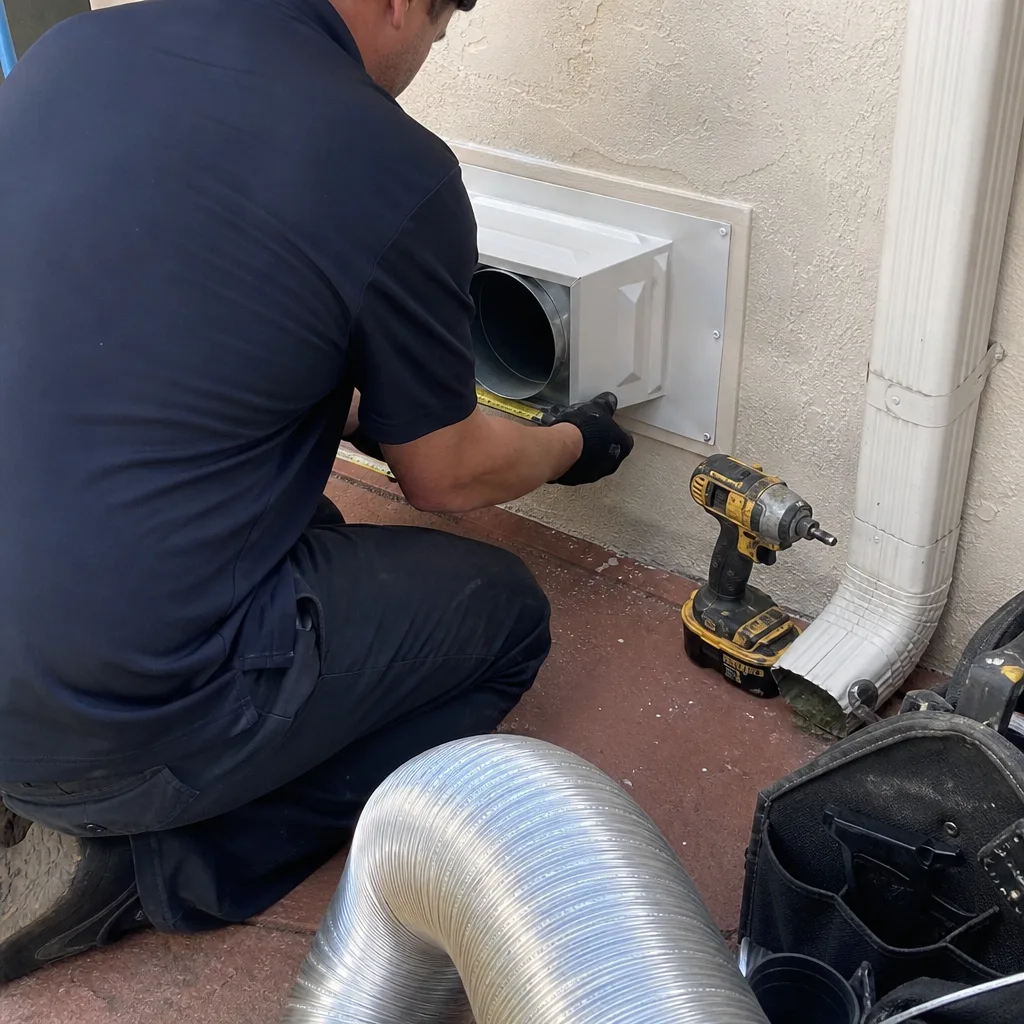
- Cleaning ducts without checking the dryer vent. Dryer Vent Cleaning in La Jolla is a separate system, but the same household conditions apply. Many homeowners schedule duct cleaning and skip dryer vent cleaning without realizing the dryer vent is the more urgent fire-risk issue.
- Replacing filters before cleaning, not after. Installing a fresh filter before a cleaning means the new filter immediately loads with post-cleaning particulates that the extraction process may have stirred into the airstream. Filters go in after cleaning.
- Ignoring the repair findings. Cleaning reveals damage: a broken joint, a disconnected flex run, a corroded section. Leaving that damage in place means the system immediately leaks or re-contaminates. Duct repair in one visit is why full-service capability matters.
- Expecting one cleaning to last forever. Even after perfect source removal, ducts re-accumulate. In coastal La Jolla, recontamination rates run faster than inland, and 3 to 5 years between cleanings is realistic for most homes. Faster if you have pets, open windows seasonally, or live on a canyon rim.
When to Call a Professional
Call when you see visible dust discharge from registers while the system runs, when you can’t remember the last time the ducts were cleaned and you’ve lived in the home more than five years, when allergy symptoms worsen at home and improve when you leave, or when you notice musty smells that appear only when the AC runs. Also call if you’re buying a La Jolla home and the previous owner can’t document duct work history – coastal homes with fiberglass liner and no maintenance records are the most likely to need attention. Air Duct Cleaning La Jolla offers free estimates in La Jolla – call (866) 282-7507 to schedule an inspection.
Frequently Asked Questions
Full-system air duct cleaning in La Jolla typically runs $450 to $900 for a home up to 2,500 square feet, with larger or more contaminated systems running higher. The price depends on system size, duct material, access difficulty, and contamination level. Be wary of any quote below about $400 for a full system. That price point describes contact vacuuming, not source removal. Call (866) 282-7507 for an exact quote – estimates are free.
A proper source-removal cleaning in a typical La Jolla home takes 3 to 6 hours. Homes with extensive contamination, fiberglass liner issues, or difficult attic access can take longer. Any crew that finishes a full system in under 2 hours is not performing source-removal agitation with negative-air extraction.
The verification steps are camera inspection, airflow testing, and filter baseline check. Before-and-after camera footage shows you the interior surfaces directly. If a company won’t show you camera verification or refuses to run air through the system with you present after cleaning, treat that as a red flag.
Every 3 to 5 years is the realistic window for most La Jolla homes. Coastal-zone homes with fiberglass liner and canyon-adjacent homes with heavy silica loading trend toward the shorter end. Homes with pets, seasonal window use, or smokers trend shorter still. Your filter loading rate is the best indicator: if filters show heavy loading within 30 days of installation, your ducts are likely holding a significant load.
Yes, over time. Salt aerosol accelerates corrosion at galvanized joints and fasteners, and salt-laden dust forms adhesive films on interior duct surfaces that resist simple vacuuming. Salt also attracts moisture, which compounds humidity-related issues on fiberglass liner. Cleaning removes the salt-laden particulate; repair addresses the corrosion damage if it’s advanced.
That depends on condition. If inspection shows degraded liner with embedded microbial growth, replacement is often the better call – cleaning damaged liner risks releasing fiberglass particles and microbial fragments. A company that offers both cleaning and repair can give you an honest recommendation because they can do either job. Call (866) 282-7507 to get a straight answer on what your ducts actually need.
The Bottom Line
Air duct cleaning in La Jolla is a climate-specific job. The marine layer, salt air, and canyon dust create contamination patterns that generic cleaning protocols don’t address. Source-removal cleaning with rotary agitation and negative-air HEPA extraction is the standard that actually removes adhered material, and it’s the difference between a cleaned system and a visually tidied one. Verification matters: camera inspection, airflow testing, and filter baseline checks turn a claim into a confirmation. The equipment on the truck tells you most of what you need to know before you hire anyone. Ask what’s on the truck. Then ask to see the before-and-after footage.
Written by the team at Air Duct Cleaning La Jolla, serving La Jolla since 2018.
See the difference
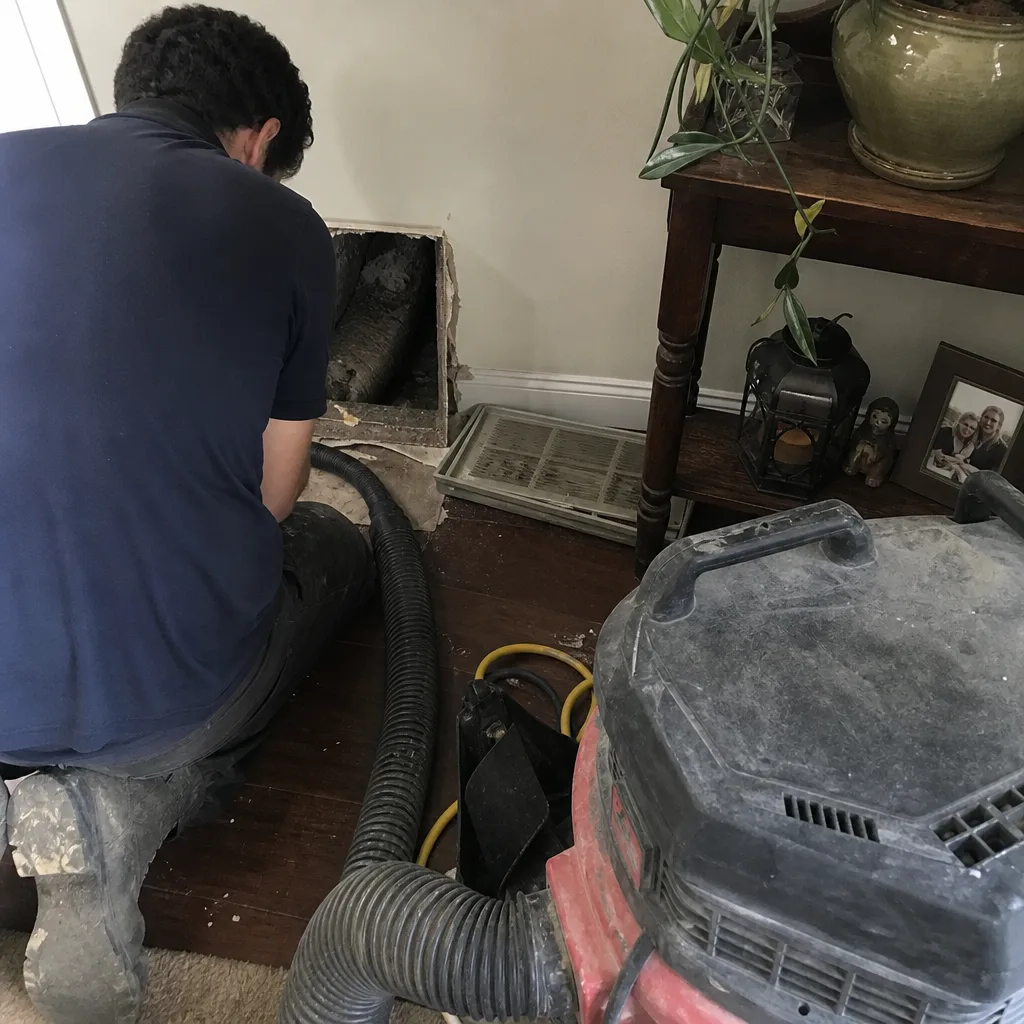 Before
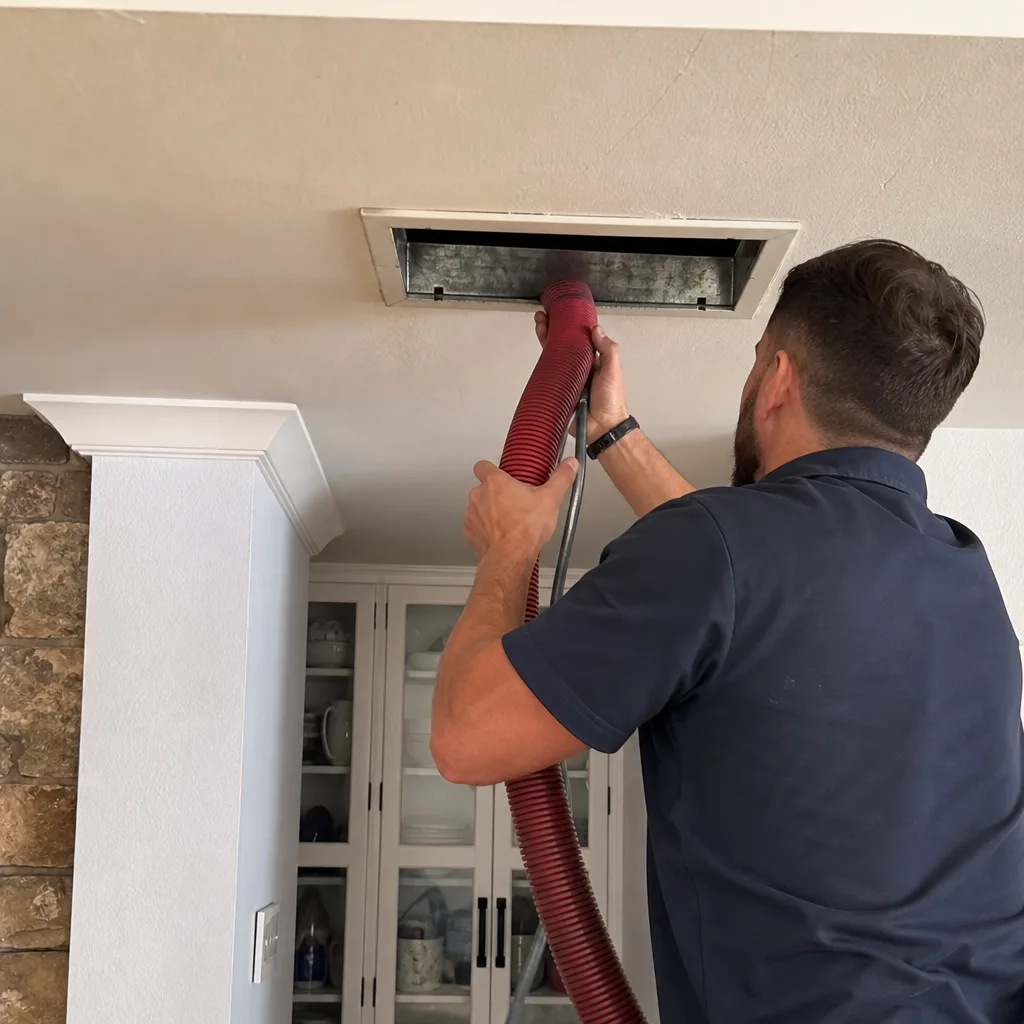 After
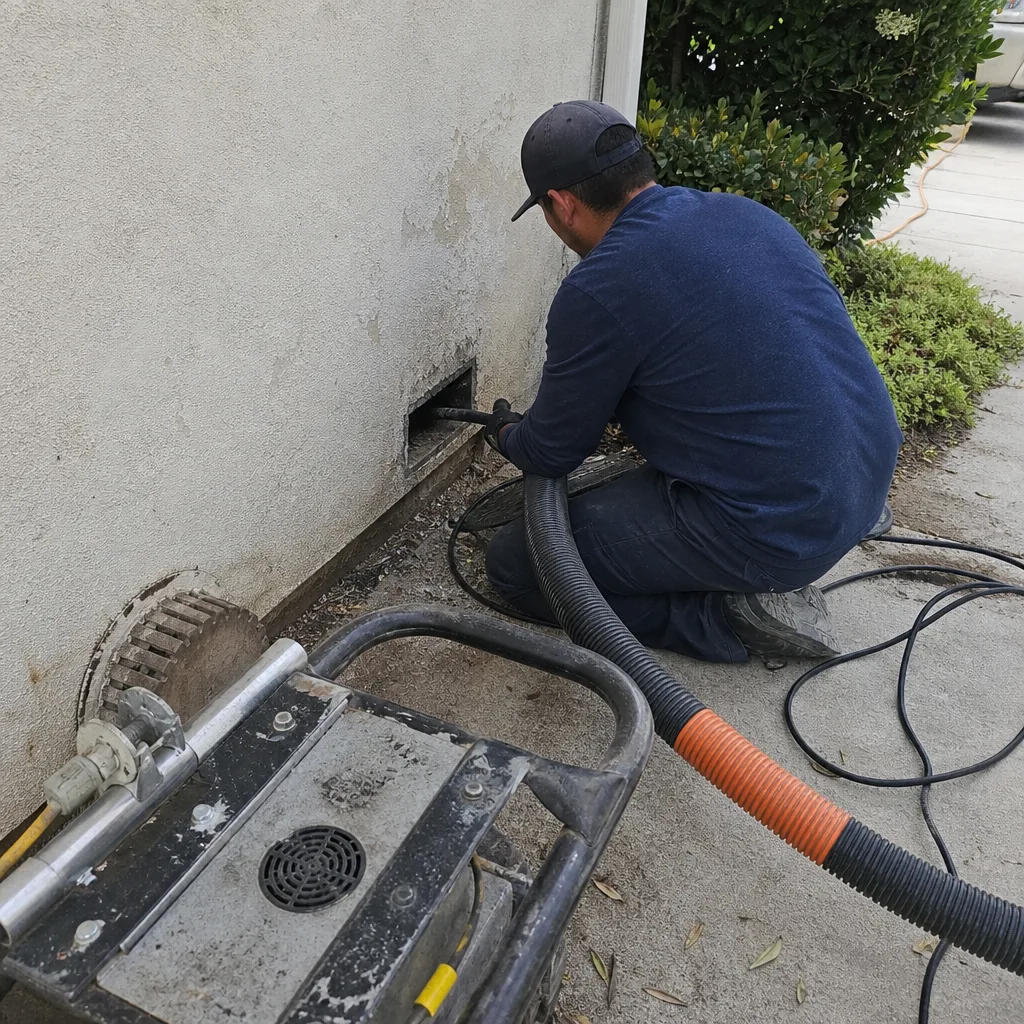 Before
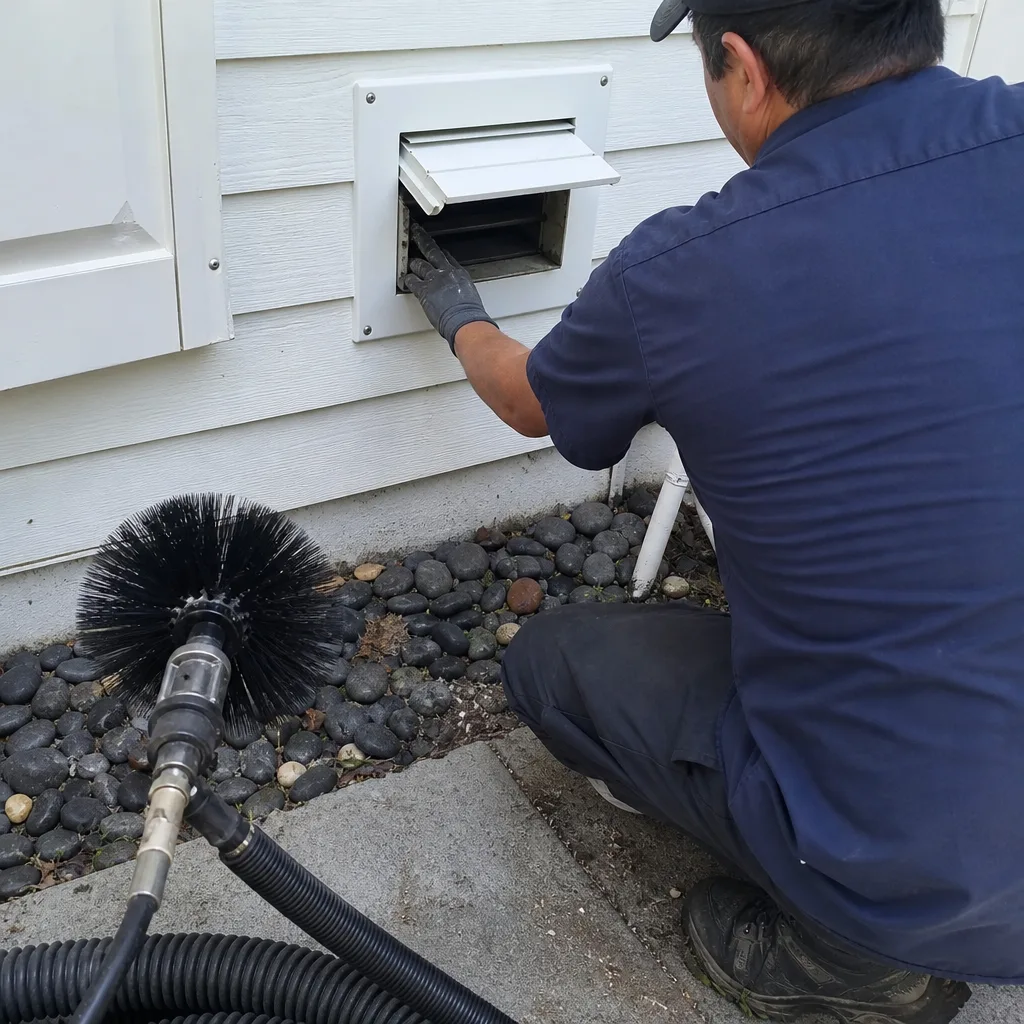 After
 Before
 After