
Last updated November 2, 2026
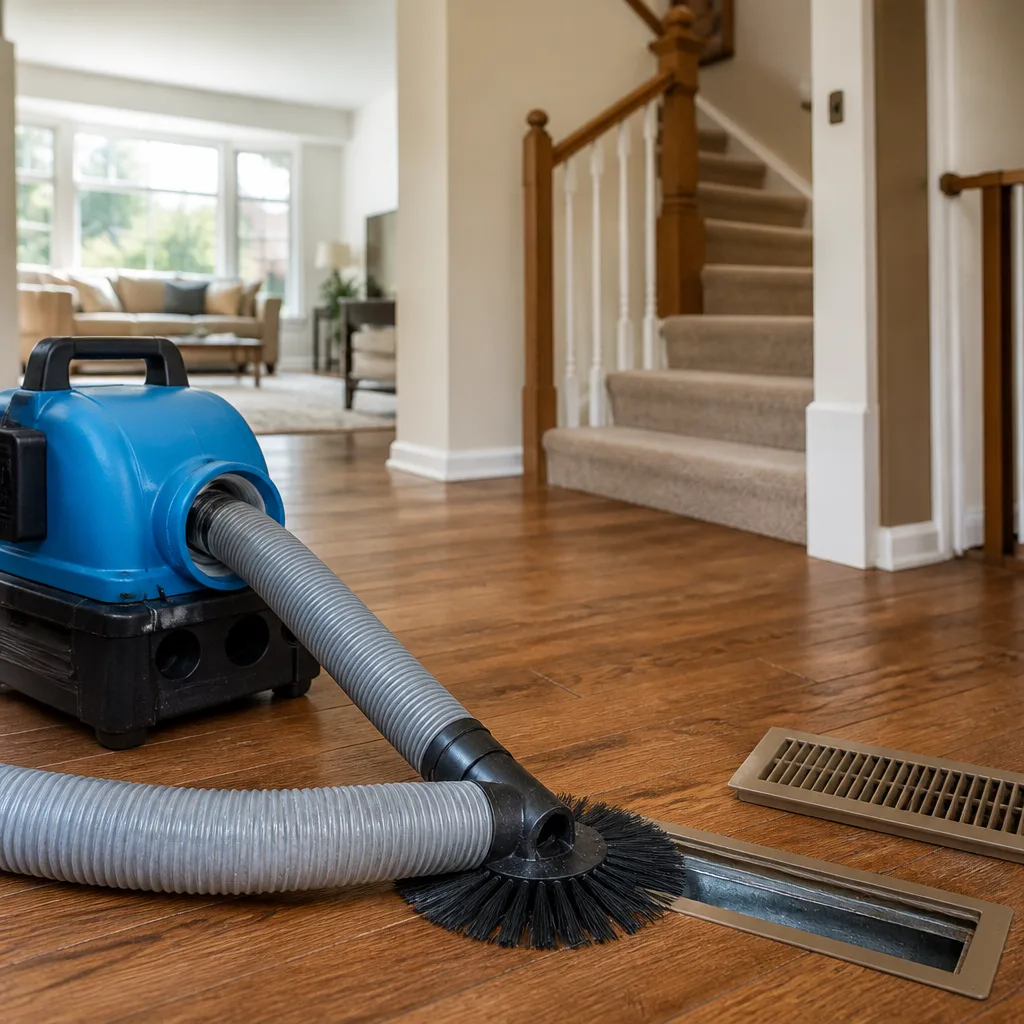 Whole-home duct cleaning
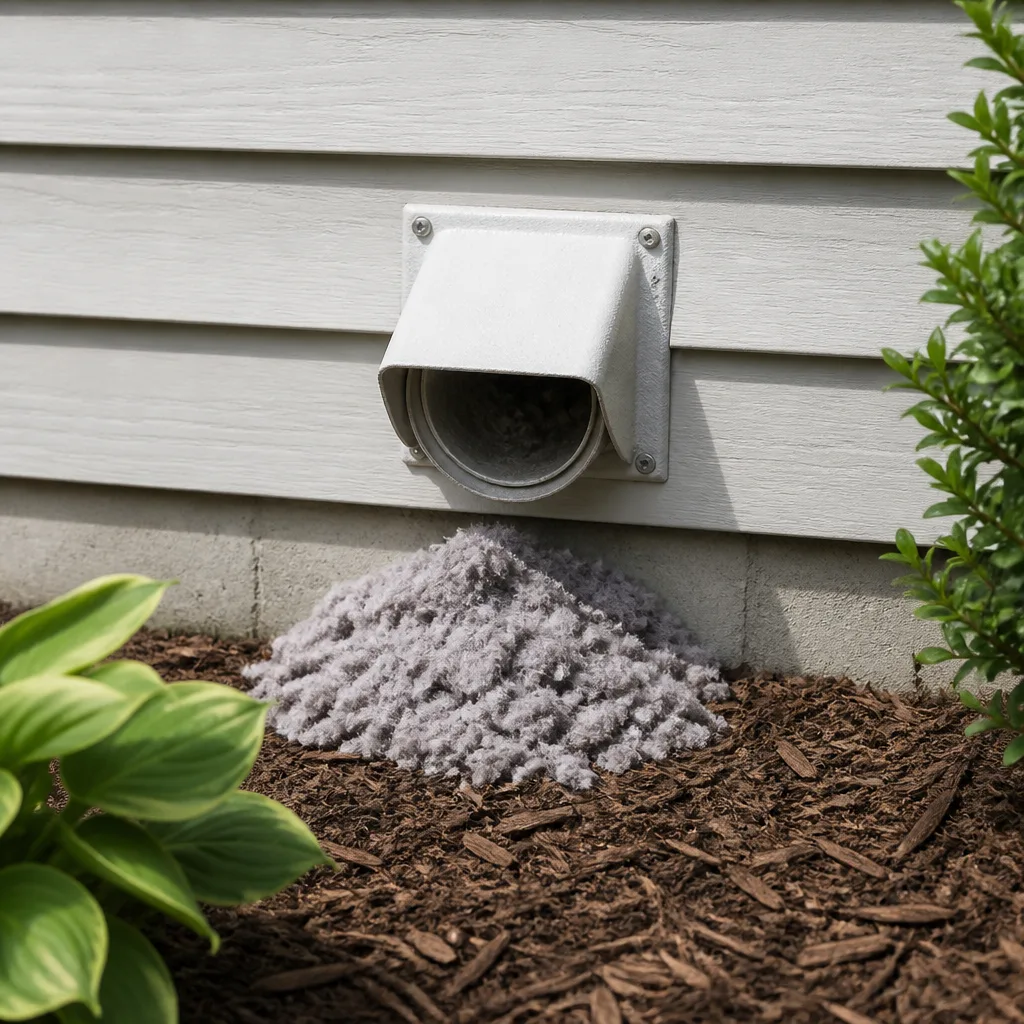 Dryer vent cleaning
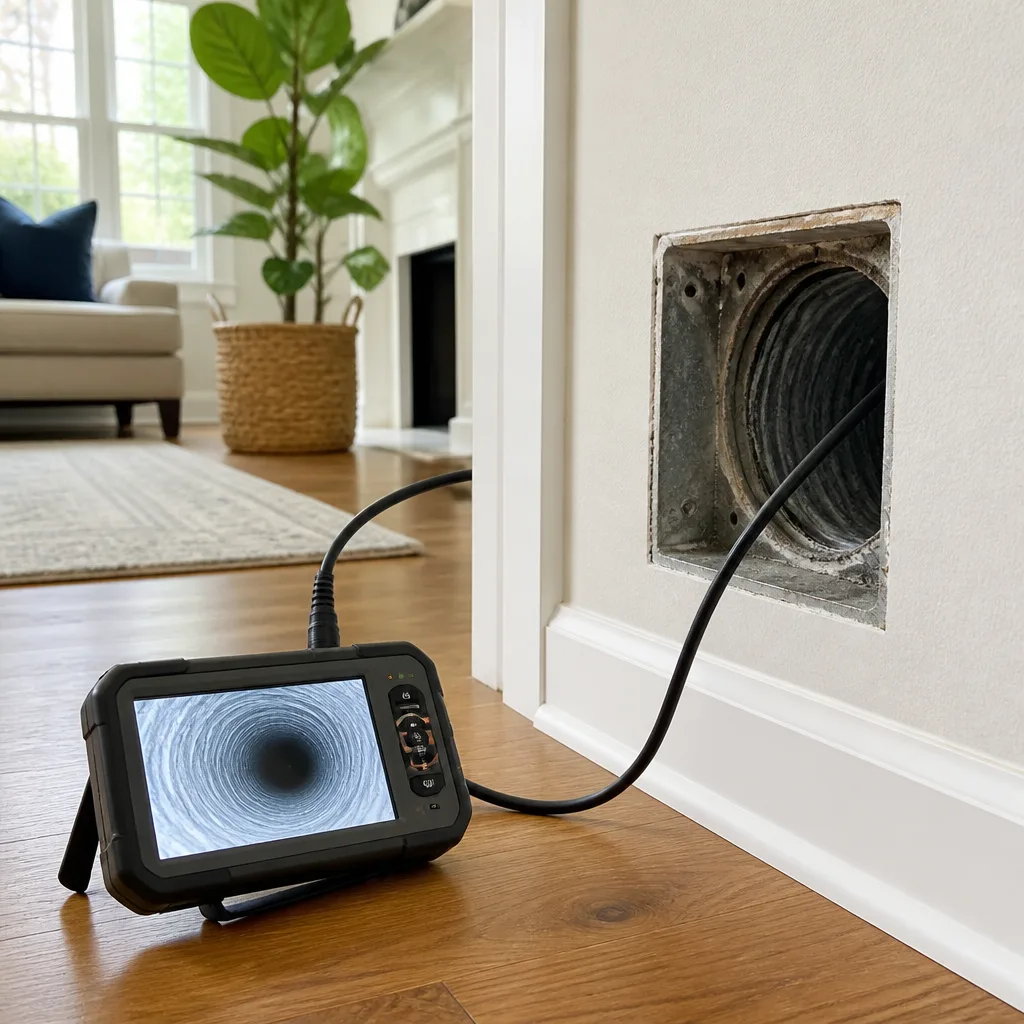 Camera inspection
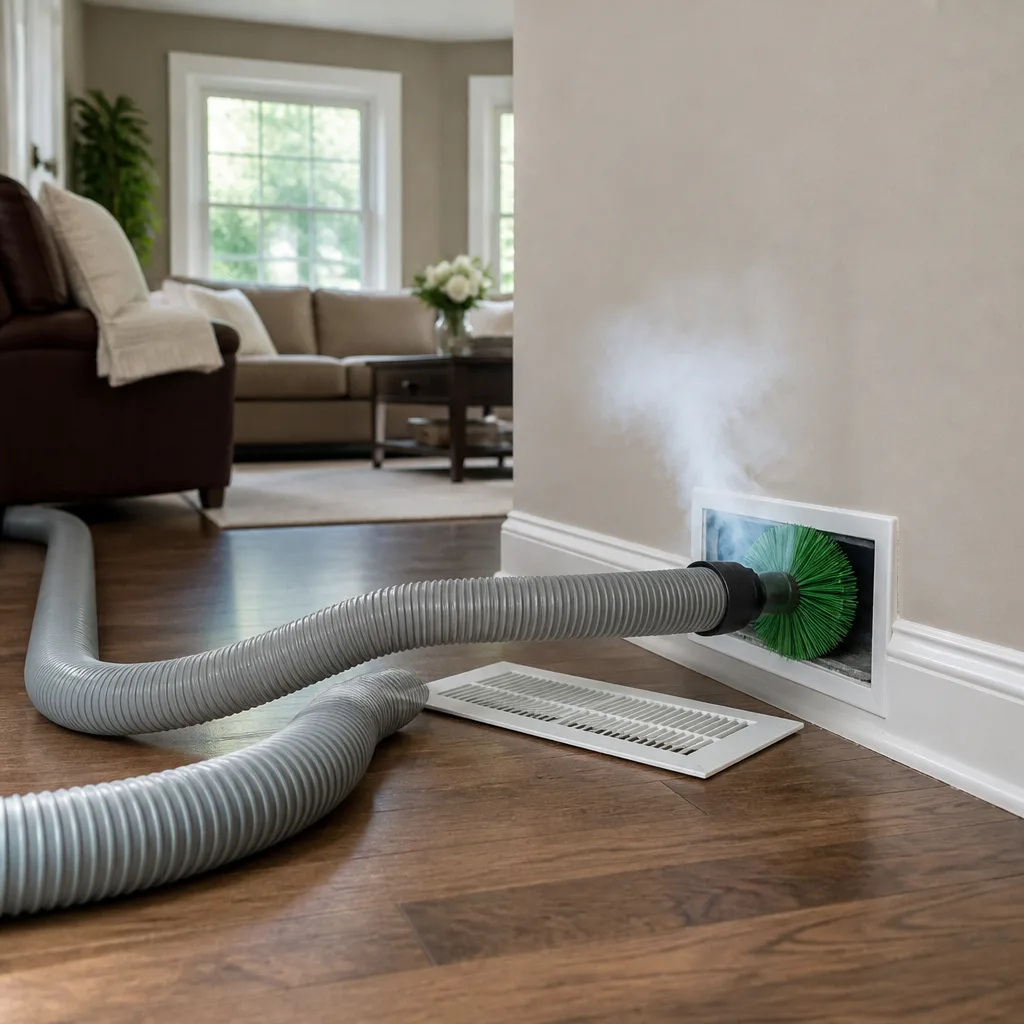 Sanitizing & deodorizing
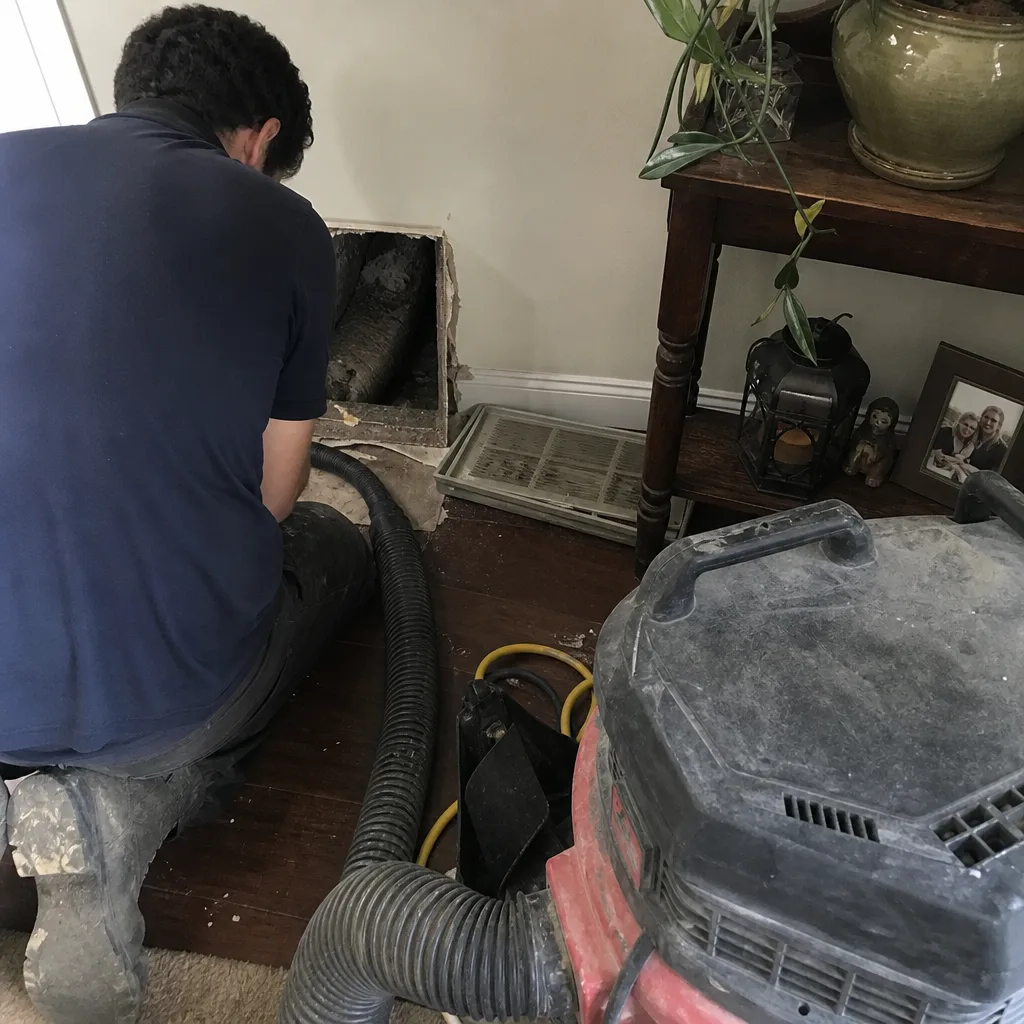
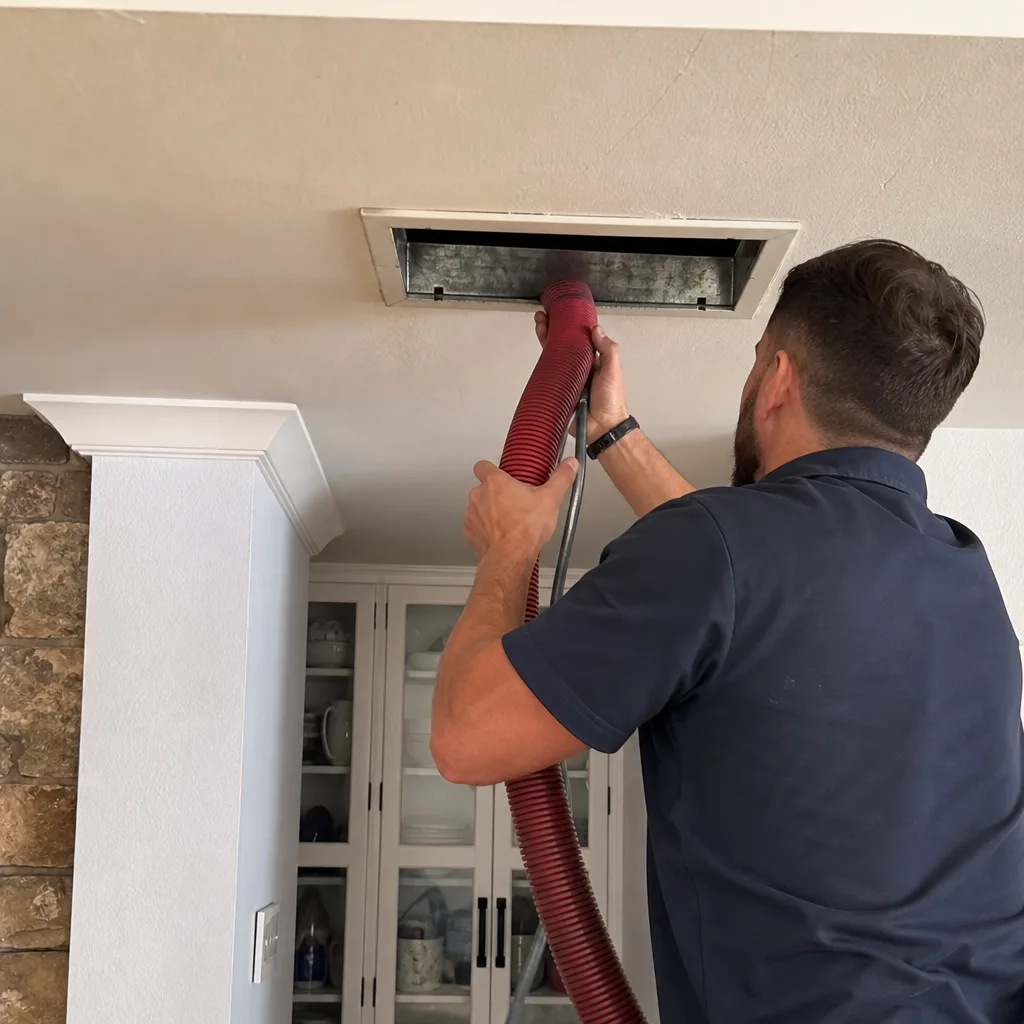
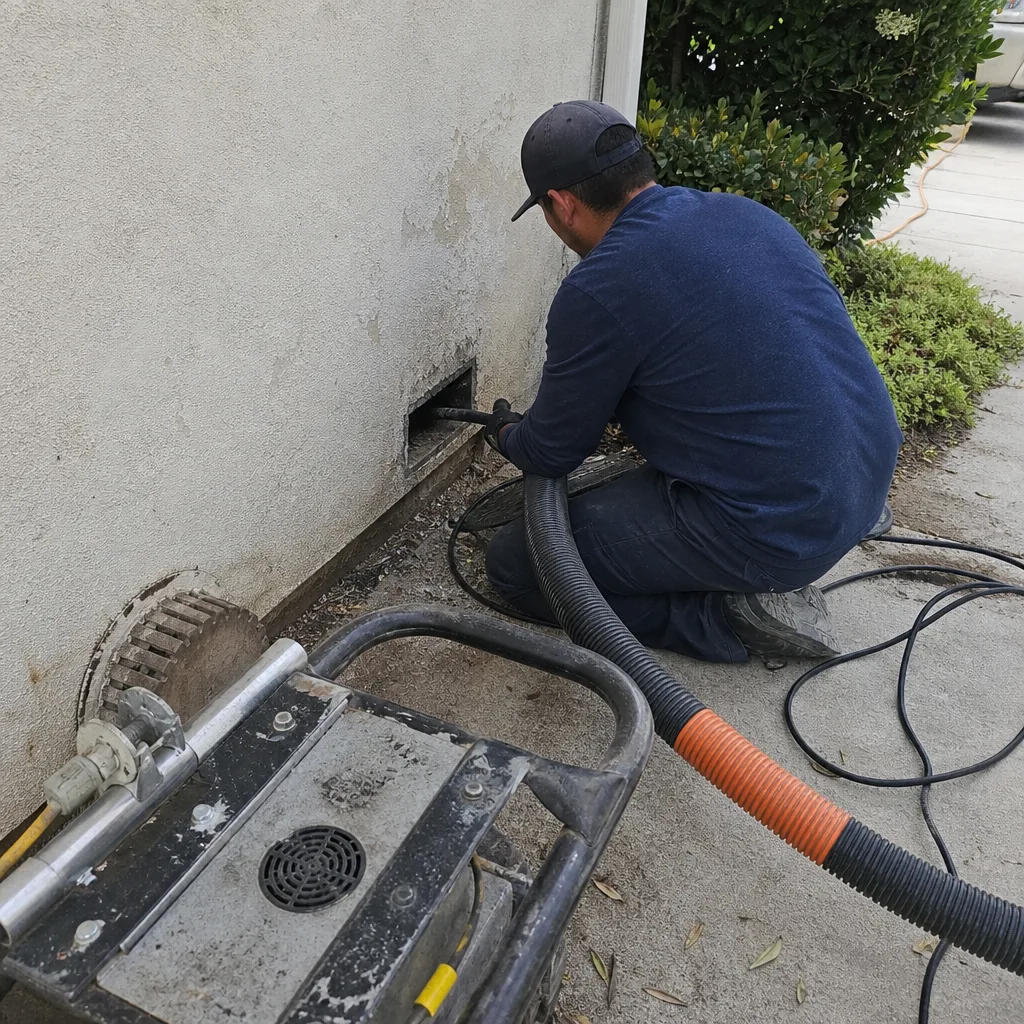
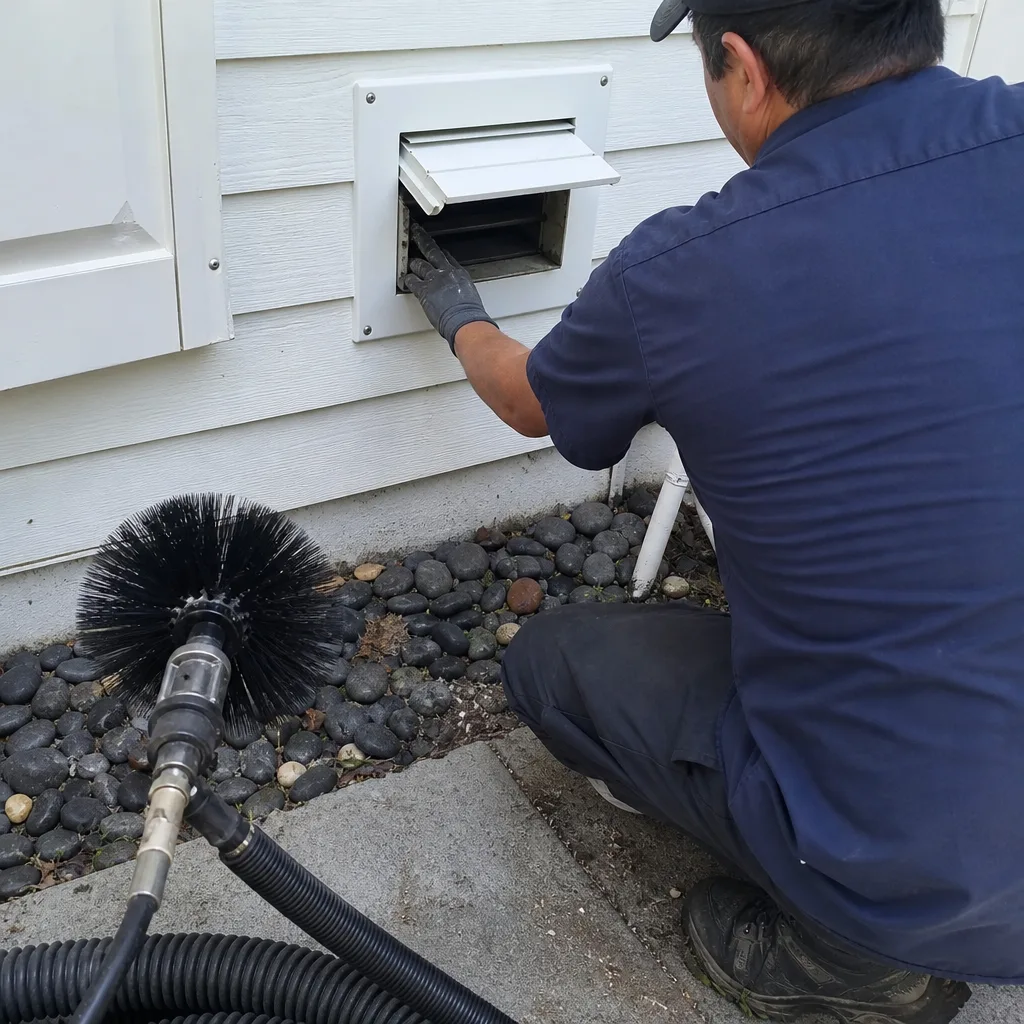
Whole-system duct and dryer vent check with before-and-after photos - you see exactly what came out of your vents
That "$99 whole-house special" is a bait ad - the real number appears once they are in your hallway, or the "clean" is a shop-vac at the register. We photograph the inside of your ducts before and after instead.
Air Duct Cleaning Maintenance Checklist for La Jolla Homeowners
Most maintenance checklists tell you to change your filter every 90 days. That’s fine advice for Phoenix. In La Jolla, a MERV-11 filter can saturate with marine particulates and salt humidity in half that time during June Gloom, and a clogged filter doesn’t just reduce airflow. It forces your system to pull air around the seal, which means unfiltered air enters your ductwork and coats the interior with a sticky film that’s difficult to remove later. This guide is a working checklist for La Jolla homeowners who want to monitor their ducts between professional cleanings, understand which indicators actually matter in a coastal climate, and build a factual baseline so no contractor can sell you a service you don’t need. You’ll learn what to check monthly, what seasonal events change the math, and which signs mean it’s time to call for Air Duct Cleaning in La Jolla rather than another DIY filter swap.
Styles & brands we work with
- Whole-home duct cleaning
- Dryer vent cleaning
- Camera inspection
- Sanitizing & deodorizing
Quick Answer
Air duct maintenance in La Jolla requires checking your filter every 30 to 60 days during marine layer season (May through July) and every 60 to 90 days the rest of the year, plus a monthly visual inspection of supply registers for moisture staining, salt residue, or changing debris color. A full professional Air Duct Cleaning with source-removal equipment is typically warranted every 3 to 5 years, sooner if you notice musty odors that appear only when the system runs, visible debris accumulating on register grilles within weeks of cleaning, or family members experiencing allergy symptoms that improve away from home.
Table of Contents
- A Seasonal Maintenance Schedule for La Jolla’s Climate
- What to Inspect Every Month: A Room-by-Room Register Check
- The Filter Reality Check: Why 90 Days Is Not Your Interval
- Normal Dust vs. Biofilm: What You’re Actually Looking At
- The Highest-Risk Registers in a La Jolla Floor Plan
- How to Log Duct Condition: Building a Factual Baseline
- What You Can Safely Do Yourself (and What You Should Not Touch)
- Common Mistakes to Avoid
- When to Call a Professional
- Frequently Asked Questions
- The Bottom Line
A Seasonal Maintenance Schedule for La Jolla’s Climate
La Jolla’s ductwork lives in a specific environment: cool, damp marine air for weeks at a time, interrupted by dry offshore winds and occasional wildfire smoke drifting west from inland fires. Your maintenance calendar should track these four patterns, not the generic “spring cleaning” advice applied to every home in the country. Here is the schedule we recommend for our La Jolla customers, tied to what the air and the system actually do month to month.
- May through July (Marine Layer Season): This is the highest-risk window for filter loading and moisture accumulation. June Gloom brings 60 to 75 percent relative humidity day after day, and salt particles from ocean air become a fine abrasive that clings to filter media. Check your filter every 30 days. Look for a damp, grayish discoloration rather than typical household dust. If the filter feels heavier than a fresh one or shows visible salt crusting at the edges, replace it immediately, regardless of the rated interval.
- August through November (Santa Ana Season): Dry offshore winds push fine dust and, in bad years, wildfire smoke particulates through your intake. You’ll see a shift from gray to tan or brown filter deposits. Change filters every 45 to 60 days. After any smoke event that turns the sky hazy, inspect the filter within 72 hours. Smoke particles penetrate deep into filter media and stay there, reducing airflow long after the sky clears.
- December through February (Cool, Dry Season): This is your lowest-maintenance window in La Jolla. Coastal air is still damp, but your system may run less often, reducing particle loading. Check filters monthly anyway. It takes ninety seconds, and catching a saturated filter early prevents the system from pulling bypass air through gaps in the filter housing.
- March through April (Transition Season): Temperatures swing, the system cycles more frequently, and spring pollen from coastal scrub and ornamental plantings enters the intake. Expect greenish-yellow filter tint. Set a reminder for a full register inspection at the start of March. Look for accumulated debris on the register face itself, which indicates what is being pulled into the ducts.
The pattern here is simple: La Jolla’s problem season for ductwork is the damp season, not the dusty one. Most national guides assume dry conditions produce the biggest cleaning needs. In our experience with coastal homes, moisture plus salt is the combination that accelerates duct liner deterioration and creates the conditions for biological growth. Plan your vigilance around May through July, and treat August through November as a secondary alert window driven by wind and fire events.
What to Inspect Every Month: A Room-by-Room Register Check
You do not need any special tools to perform a meaningful monthly inspection of your ductwork’s accessible points. What you need is a flashlight, a phone camera, and five minutes. The goal is not to diagnose everything yourself. The goal is to notice changes early enough that a professional can intervene before a minor condition becomes a remediation project. Here is the room-by-room checklist we recommend for La Jolla homeowners.
- Kitchen registers: Check for a greasy film that household dust alone does not explain. Cooking aerosols, even with a range hood running, get pulled into return air and deposit on duct surfaces. This film attracts and holds dust, creating a tacky coating that builds faster than dry debris.
- Bathroom exhaust-connected returns: If any bathroom vents into the HVAC system rather than directly outdoors, that’s a moisture entry point. Look for water staining around the register edges or a white, chalky mineral residue, which indicates moisture has been moving through that vent.
- Bedroom supply registers near windows: La Jolla’s coastal breeze carries fine salt spray. If you sleep with windows open, those registers see more salt-laden air than interior rooms. Check for a fine, gritty white-gray dust on the register blades. Salt is abrasive and corrosive; it belongs in the filter, not the ducts.
- Floor registers in slab-on-grade homes: If your La Jolla home sits on a concrete slab, floor registers are the first point of contact for any moisture migrating up through the slab. Look for rust on the register itself, dark staining around the opening, or a musty odor that intensifies when the system first kicks on.
- Return air grilles: Remove the grille if it’s a standard screw-mounted panel and check the filter housing. Look for gaps around the filter frame where unfiltered air could bypass. If you see dust streaks on the housing that align with the filter edges, your filter is not sealing properly and every bit of air that bypasses it is going straight into your ductwork.
Photograph anything that looks unusual. A phone photo taken today becomes your comparison point in six months. This is how you build a factual baseline, which we cover in more detail below.
The Filter Reality Check: Why 90 Days Is Not Your Interval
The 90-day filter rule works in dry, inland climates with stable temperature patterns. La Jolla’s coastal humidity changes the physics. A filter is a mechanical barrier, not a magic sponge. It captures particles until the spaces between the filter fibers fill up. When that happens, air pressure builds on the intake side and the system starts looking for an easier path, which means air slips around the filter frame and carries unfiltered particles directly into your ducts and across your evaporator coil. This is how a “dirty filter” becomes a “dirty system” problem, and it happens faster when the air is humid and salt-laden.
Here is what to look for when you check a filter in La Jolla:
- Gray or blue-gray tint instead of tan or brown: This is salt haze and marine particulate, not household dust. It loads faster and clogs tighter.
- A noticeably heavier filter: Salt absorbs moisture from coastal air, so a loaded filter in La Jolla will weigh more than an equally dirty filter in a desert climate.
- Visible crusting at the filter edges: This indicates the filter has been wet at some point. A wet filter is a breeding ground for microbial growth, and it degrades the filter media quickly.
- Dust streaks on the filter housing surrounding the filter itself: This is the smoking gun for bypass air. The filter is doing its job, but unfiltered air is streaming around it and entering the system anyway.
If you’re replacing filters more than once a month during marine layer season, your filter may be undersized for your system’s airflow, or you may have leaks in your return ductwork pulling unconditioned outdoor air. We frequently find return-side leaks in La Jolla homes where the ducting runs through unconditioned spaces like attics and crawl spaces. Those leaks mean every filter change is a temporary fix while unfiltered coastal air enters the system downstream of the filter entirely.
Normal Dust vs. Biofilm: What You’re Actually Looking At
One of the most common questions we get during an Air Duct Cleaning in La Jolla estimate is whether the grayish material inside a duct is normal dust or something more serious. In a coastal environment, the distinction matters more than elsewhere because La Jolla’s humidity creates conditions where biological growth can establish itself on damp duct liner. Here is how to tell the difference from what you can observe at the register level, plus what a technician sees with professional inspection equipment.
- Normal dust accumulation: Loose, dry, and fluffy. It moves when you disturb it, falls away from the duct surface easily, and has no significant odor. It’s typically gray, tan, or white depending on the dominant particle source in your home (cooking, pets, outdoor air). It collects most heavily on the bottom of horizontal duct runs and at register boots.
- Biofilm on duct liner: A flat, matte coating that adheres to the surface. It does not fall away when disturbed; it smears. It may appear brown, black, or greenish, and it has a distinct odor, often described as damp earth, wet socks, or a basement smell. Biofilm forms when organic matter (dust) meets sustained moisture (coastal humidity, condensation, or a leak). Once established, brushing alone will not remove it from porous liner; the liner itself may need replacement.
- Salt residue: A white, crystalline deposit that looks like fine sand but is hard and gritty to the touch. Salt is not organic and not dangerous on its own, but it attracts moisture, accelerates corrosion on metal surfaces, and provides a perfect landing pad for organic dust to adhere and form biofilm later.
Here is the key distinction for the homeowner: if the material inside your ducts is dry, loose, and odorless, that’s a cleaning issue. If it’s adhered, damp, or has a persistent earth odor that you notice every time the system runs, that’s a contamination issue. In our experience, La Jolla homes with older flexible ductwork and interior liner see biofilm more often than homes with smooth-walled metal ducting. The liner gives moisture and organic matter a porous surface to grip.
We use a borescope camera to inspect duct interior surfaces and distinguish between these conditions definitively. A professional inspection takes the guesswork out of the equation, but your monthly observations are what tell us where to look first.
The Highest-Risk Registers in a La Jolla Floor Plan
Not every register in your home carries equal risk, and in La Jolla the risk profile depends heavily on your foundation type and your proximity to the marine layer. Understanding which registers are most likely to show problems first tells you where to focus your monthly inspection, and it helps you recognize normal variation between rooms rather than panicking over every speck of dust.
For slab-on-grade homes, which are common in newer La Jolla construction and much of the Village area, the highest-risk registers are:
- Floor registers in ground-floor rooms: Moisture migrating through the concrete slab can enter the duct boots directly. Watch for rust on register screws, dark staining around the boot collar, and a musty smell when the system first starts after sitting idle overnight.
- Registers in rooms adjacent to plumbing walls or utility areas: Any past or present water event, even a small sink drain leak behind a wall, can drip into a floor duct. It only takes one leak to wet the fiberglass liner, and once wetted, that liner holds moisture for weeks.
- Registers in converted garage spaces or rooms over garages: Garages are unconditioned spaces, and if the ducting runs through the garage ceiling, it’s exposed to temperature swings and condensation risk that interior ducts are not.
For raised foundation homes, common in older La Jolla neighborhoods like Bird Rock and La Jolla Shores, different risks apply:
- Registers near exterior walls on the windward side: The prevailing ocean breeze pushes moist salt air against the structure, and any register within a few feet of an exterior wall sees more of that air. Check these first.
- Registers in rooms with crawl-space access below: If the crawl space has standing water after heavy rain or high groundwater, that moisture rises through the subfloor and enters any duct penetration. Crawl space ducting in coastal environments is one of the most common paths for moisture to enter a system.
- Registers in rooms with poor ventilation: Bedrooms with single windows that rarely open, interior bathrooms, and closets that house return ducts all trap moisture longer than well-ventilated spaces, increasing the odds of condensation inside the duct run.
Start your monthly inspection with these high-risk registers and work your way through the lower-risk rooms. If a high-risk register looks clean while a lower-risk register is suddenly dirty, that’s a red flag for a location-specific problem like a leak, a pest intrusion, or a disconnected duct segment.
How to Log Duct Condition: Building a Factual Baseline
When a contractor tells you your ducts need emergency cleaning, what are you comparing that claim against? Most homeowners have no factual record of their duct condition, so they either accept the claim at face value or reject it out of suspicion. Neither is a good position. The solution is a simple duct condition log that takes less than five minutes per month and gives you a usable baseline whenever you bring a professional in for an estimate or a second opinion.
Here’s a minimal logging system that works for La Jolla homeowners:
- Assign a number to each register and return in your home. A simple printed floor plan with each vent numbered works best. You’re already doing room-by-room checks; numbering them makes those checks comparable month to month.
- Create a note on your phone (or a simple spreadsheet) with one column per register number. Each month, record a 1-to-5 condition score: 1 is clean, 5 is visibly soiled or showing moisture signs.
- Add one qualitative note per month that describes any change. Examples: “R4 showing rust on one screw,” “R7 has a faint musty smell on startup,” “Filter replacement date moved up 2 weeks from last month.” Specific notes are worth far more than scores alone.
- Attach photos. The same register, same angle, same lighting, every 90 days. Save them to a dedicated folder. A photo series tells you whether accumulation is accelerating or holding steady.
- Review the log before any service estimate. When a technician tells you something needs attention, you can pull up your log and say, “That register scored 2 last month and there’s no photo evidence of change. What are you seeing now that’s different?” This single question changes the dynamic of the entire conversation.
This log is also valuable when you call us for Air Duct Cleaning La Jolla home service. We can compare what your observations show against what the borescope inspection finds, and the combination of your data and our equipment gives you a complete picture of what’s happening inside the ductwork, where the problem areas are, and whether cleaning, repair, or both is actually warranted.
What You Can Safely Do Yourself (and What You Should Not Touch)
There is a line between homeowner maintenance and professional work, and it’s drawn in a specific place for good reason. Below that line, you can improve your system’s condition with simple tools and careful observation. Above that line, you’re dealing with high-tension components, electrical connections, or contamination that requires containment equipment to handle safely. Here’s where we draw that line for La Jolla homeowners.
Safe to do yourself:
- Replace the air filter on schedule or earlier if it loads quickly during marine layer season.
- Vacuum supply and return register faces with a household vacuum and brush attachment. This removes loose surface debris before it falls deeper into the duct boot.
- Wipe down the exterior of register covers with a damp cloth and mild soap. Dry them completely before reinstalling.
- Check and clear the area around outdoor condenser units if any part of your system’s outdoor side is accessible. Leaves, vegetation, and ocean salt spray all reduce efficiency.
- Inspect visible duct sections in garages, attics with walkable access, and basements for obvious disconnections, crushed flex duct, or water staining on the jacket.
- Opening sealed duct sections or removing duct tape to peek inside. Duct systems can be under positive or negative pressure depending on design. An improper reseal creates leaks, and you may disturb material that should only be handled with containment.
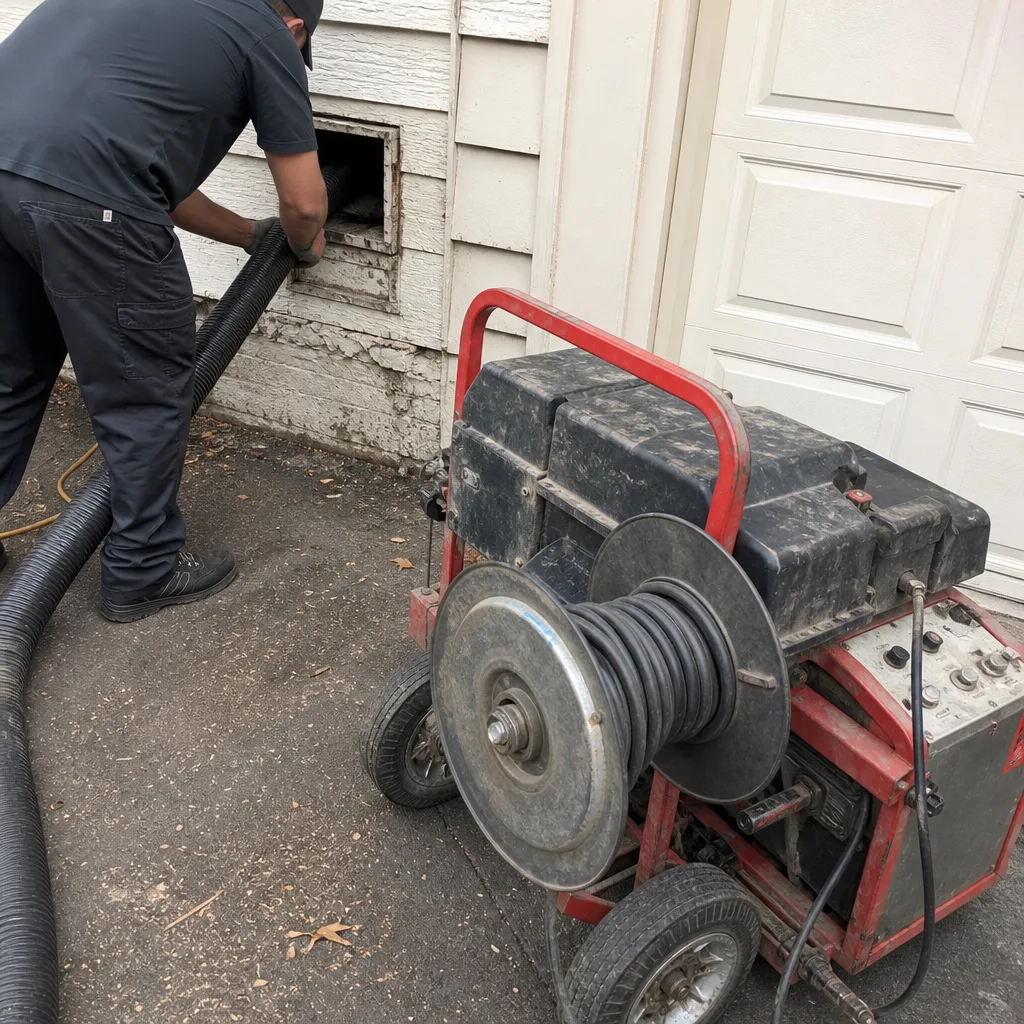
- Using a shop vacuum or any household vacuum to clean inside the duct system. Household vacuums do not have the filtration to contain what they dislodge. You’ll pull particulate out of the duct and exhaust the fine fraction directly into your living space. Professional source-removal cleaning uses negative-air pressure and HEPA filtration, like the Abatement Technologies systems we run on our trucks, to capture dislodged debris at the point of disturbance rather than redistributing it.
- Any work that requires removing the blower assembly, accessing the evaporator coil, or opening the air handler cabinet. These components involve electrical connections and potentially live voltage. That’s a hard line.
- Applying any liquid cleaner, sanitizer, or sealant inside the duct system. Most products marketed to homeowners for “duct sanitizing” are not registered for use inside HVAC systems, and applying them incorrectly can create worse indoor air quality than the problem you were trying to solve.
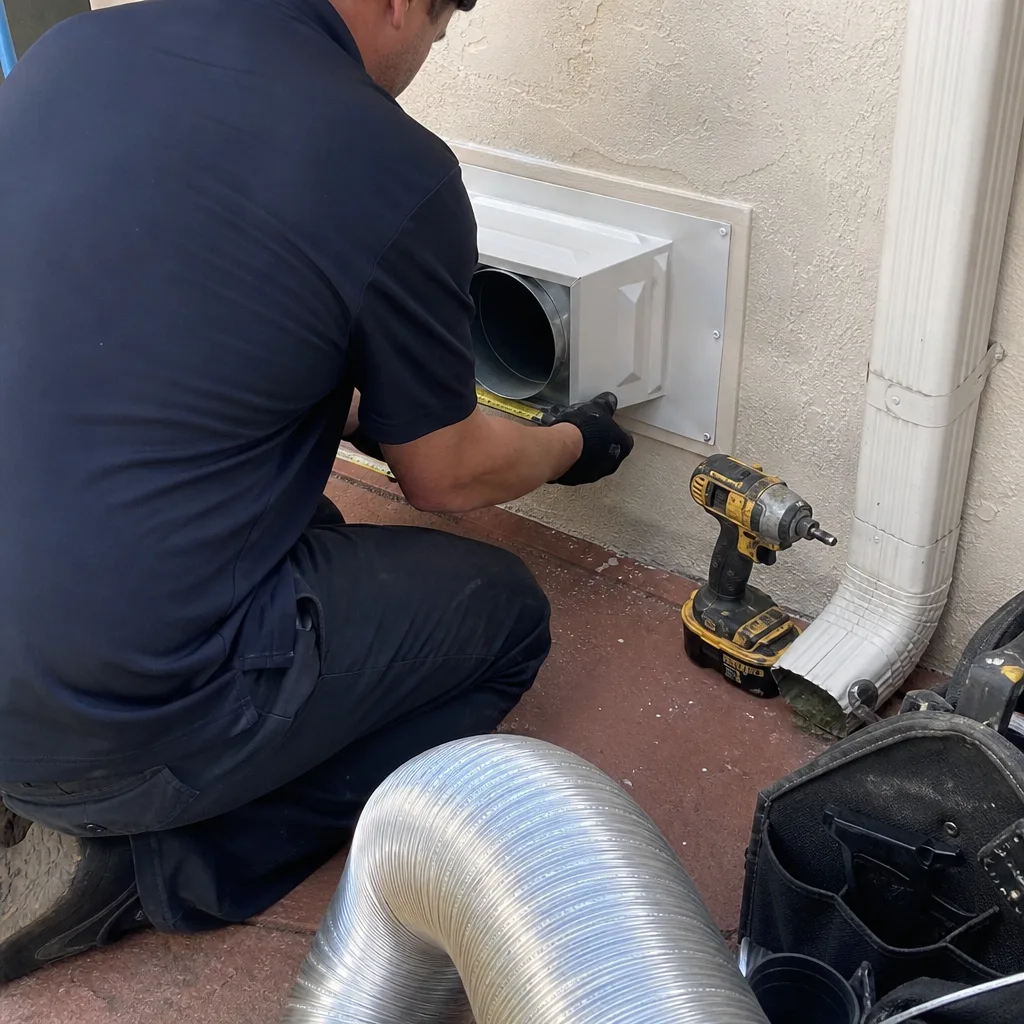
- Cleaning dryer vent interiors by hand from inside the house. A dryer vent is a fire-risk issue, as accumulated lint is highly combustible. You can clean the first few inches behind the dryer and clean the exterior vent cover, but the full run needs professional equipment. For more detail, see our guide to Dryer Vent Cleaning in La Jolla.
- Assuming a new filter means clean ducts. A filter captures incoming particles, but the duct system downstream of the filter continues to accumulate whatever slipped past the old filter, entered through leaks, or settled during periods when the system was off. Filter replacement is maintenance; duct cleaning is remediation. They are not substitutes.
- Following an inland maintenance schedule in La Jolla. The 90-day rule comes from regions with dry air and predictable seasons. In La Jolla, marine layer season demands 30-day filter checks, and ignoring that means running a clogged filter for weeks while your system pulls bypass air around it.
- Using a discount coupon as the primary selection criteria for a duct cleaning contractor. Consumer-grade equipment and a low price often mean the job is incomplete: surface cleaning without source removal, no containment, and no before-and-after documentation. In La Jolla’s competitive market, a very low quote should prompt the question of what equipment the contractor is using.
- Ignoring musty odors that appear only when the system runs. That timing pattern means the source is inside the ductwork or the air handler, not in the room. Waiting months to investigate lets a biological growth condition spread across more liner surface.
- Applying duct tape to visible duct leaks. Despite the name, duct tape is an inadequate and short-lived sealant for HVAC ducting. It dries, cracks, and fails within a season or two, and it does nothing to address the underlying cause of the leak. Proper repair requires mechanical fastening, mastic sealant, or replacement of damaged sections, which is why Air Duct Repair in La Jolla is part of our scope rather than a separate contractor call.
- Blocking or closing supply registers in unused rooms to save energy. In most residential systems, closing registers raises static pressure in the ductwork, which increases bypass air, stresses the blower, and pushes conditioned air into unconditioned spaces through leaks. Keep registers open and maintain them instead.
- Assuming a “recently cleaned” system needs no monitoring. Even after a professional cleaning, the same forces that dirtied your ducts are still at work: coastal humidity, salt air, pets, cooking, and human activity. Your maintenance schedule resumes the day the cleaning crew leaves.
Do not attempt yourself:
The general principle: if you’re dealing with the accessible exterior surfaces of your ventilation system, you can handle it. If you’re considering opening the system, reaching inside the ductwork, or disturbing material that has been sitting in the ducts for months, that’s where professional containment equipment and source-removal methods earn their cost.
Common Mistakes to Avoid
When to Call a Professional
Some duct conditions are outside the scope of homeowner observation and safe DIY maintenance. You need a professional with inspection equipment and containment-grade cleaning tools when any of the following is true: you see visible mold growth on any interior duct surface or register boot; you smell a persistent musty or earthy odor that appears every time the system runs; anyone in the home has unexplained respiratory symptoms that correlate with time spent in certain rooms; you find evidence of pest activity inside the ductwork, such as droppings, nesting material, or entry points; your duct log shows rapid deterioration at a specific register despite consistent filter maintenance; or you’ve recently completed home renovations that generated drywall dust and construction debris now circulating in the system. Air Duct Cleaning La Jolla offers free estimates in La Jolla, and we run Rotobrush rotary brush systems, Nikro inspection and cleaning equipment, and Abatement Technologies negative-air containment so the cleaning process captures debris rather than circulating it through your living space. Call (866) 282-7507 to schedule an estimate if any of these conditions applies to your home.
Frequently Asked Questions
In La Jolla’s coastal climate, professional air duct cleaning is typically warranted every 3 to 5 years for most homes, with the shorter interval applying to homes with pets, residents with allergies, or older flex-duct systems that trap more particulate on interior liner. Marine layer season accelerates filter loading, which means a clogged filter can force bypass air into your ducts and shorten the effective interval between cleanings. If you’re unsure whether your ducts need attention, call (866) 282-7507 for a professional inspection with a borescope camera rather than guessing.
The price difference nearly always comes down to equipment and method. A low quote typically reflects a consumer-grade vacuum, no negative-air containment, no rotary brush agitation, and a crew that spends under an hour on the job. Professional source-removal cleaning, the kind we perform in La Jolla, uses Rotobrush rotary brush systems to agitate debris from duct walls, Abatement Technologies HEPA-filtered negative-air machines to capture it at the point of disturbance, and a full inspection before and after. The lower price often means surface cleaning that leaves the bulk of the debris in place. Call (866) 282-7507 for an estimate that reflects what is actually being done, not just what is being charged.
A legitimate professional cleaning includes photographic documentation before, during, and after the job, with images taken from the same access points so you can see the difference. For regulatory context, see Air Duct Cleaning Permits, Codes & Inspections in CA: What You Need to Know. We photograph each duct run we clean and we’re happy to walk you through the images when the job is complete. If a contractor cannot or will not show you before-and-after photos of your own ductwork, that’s a strong indication the work did not happen as described. Ask for visual proof tied to your specific registers, not stock photos.
A musty odor that appears only when the system runs means the source is inside the ductwork or the air handler, not in the room itself. In La Jolla, the most common cause is moisture accumulating on duct liner or inside a duct boot, which creates conditions for biological growth that then emits the odor you smell at the register. The second most common cause is a dead pest in the duct system. Either way, filter changes will not resolve the smell, and you should schedule a professional inspection to identify and address the source directly.
No, and here’s why: a shop vacuum does not have the filtration required to capture fine particulate, so it dislodges debris from the duct walls and exhausts the fine fraction back into your living space, making the air quality worse than before you started. Professional source-removal cleaning uses negative-air machines with HEPA filtration to capture dislodged debris before it can redistribute. It also uses rotary brush agitation designed for the duct configuration, which a shop vacuum cannot replicate. The accessible, safe DIY work is register face cleaning and filter replacement. The interior of the duct system is professional territory.
Yes, proximity to the coast shortens the interval between professional cleanings for two reasons. First, salt particles in marine air load filters faster and act as a binding agent that holds dust to duct surfaces once it bypasses the filter. Second, sustained coastal humidity during marine layer season creates moisture conditions inside the ductwork that can promote biofilm growth on liner. Homes closest to the water, such as those in Bird Rock, La Jolla Shores, and the Village, see these effects most strongly. Interior La Jolla neighborhoods with more elevation and more sun exposure may follow a schedule closer to the standard 3 to 5 year range.
The Bottom Line
Air duct maintenance in La Jolla is not a once-a-year task. It’s a rhythm of monthly observation, seasonal filter management, and professional intervention when specific indicators appear. The coastal climate shortens filter life, accelerates salt accumulation inside ductwork, and creates moisture conditions that inland maintenance guides don’t address. Your job as a homeowner is to build a factual baseline through consistent logging and inspection, so you know the difference between normal dust accumulation and a developing contamination problem, and so you can evaluate any contractor’s claims against your own evidence. When the time comes for professional cleaning or repair, one call covers both. Contact Air Duct Cleaning La Jolla at (866) 282-7507 for a free estimate, and we’ll bring the inspection equipment and the documentation to show you exactly what’s in your ducts and what they need.
Written by the team at Air Duct Cleaning La Jolla, serving La Jolla since 2018. Explore our more guides & resources.
See the difference
 Before
 After
 Before
 After
 Before
 After