
Last updated November 2, 2026
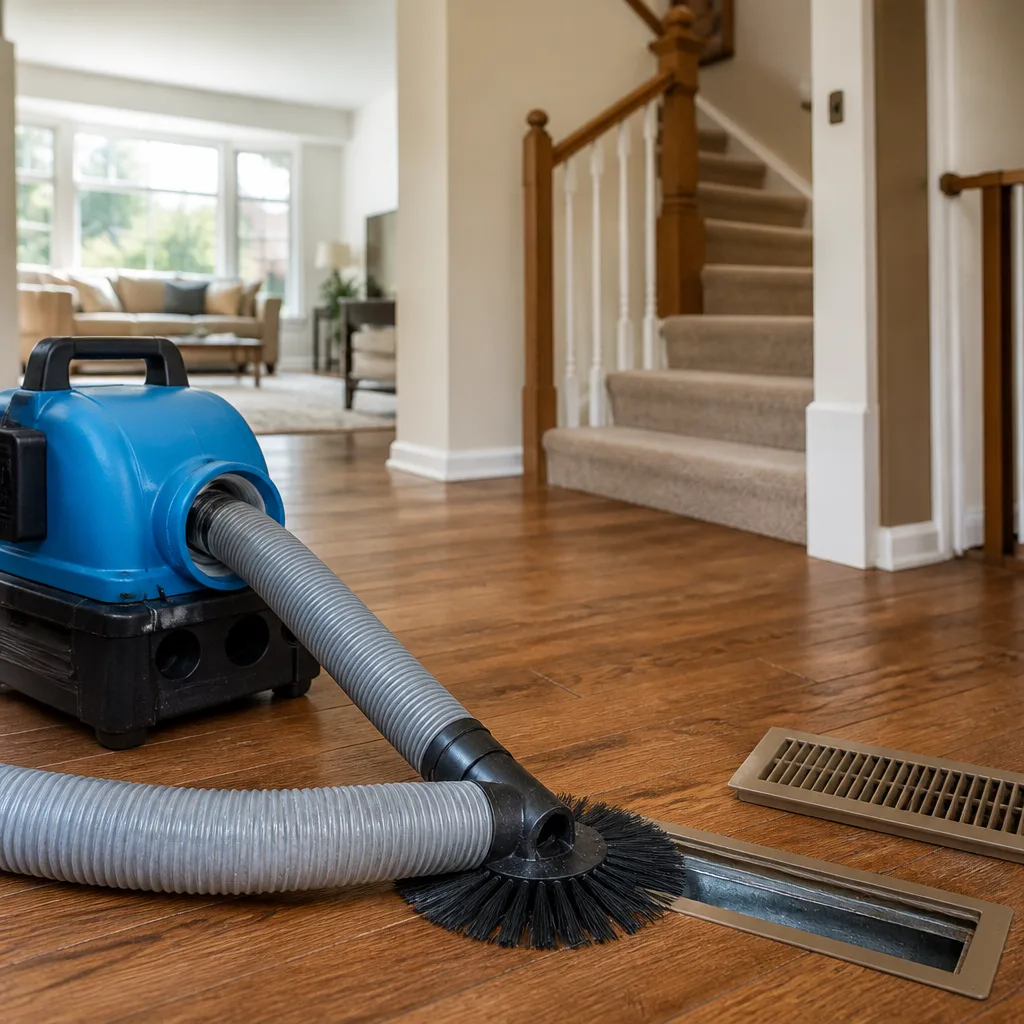 Whole-home duct cleaning
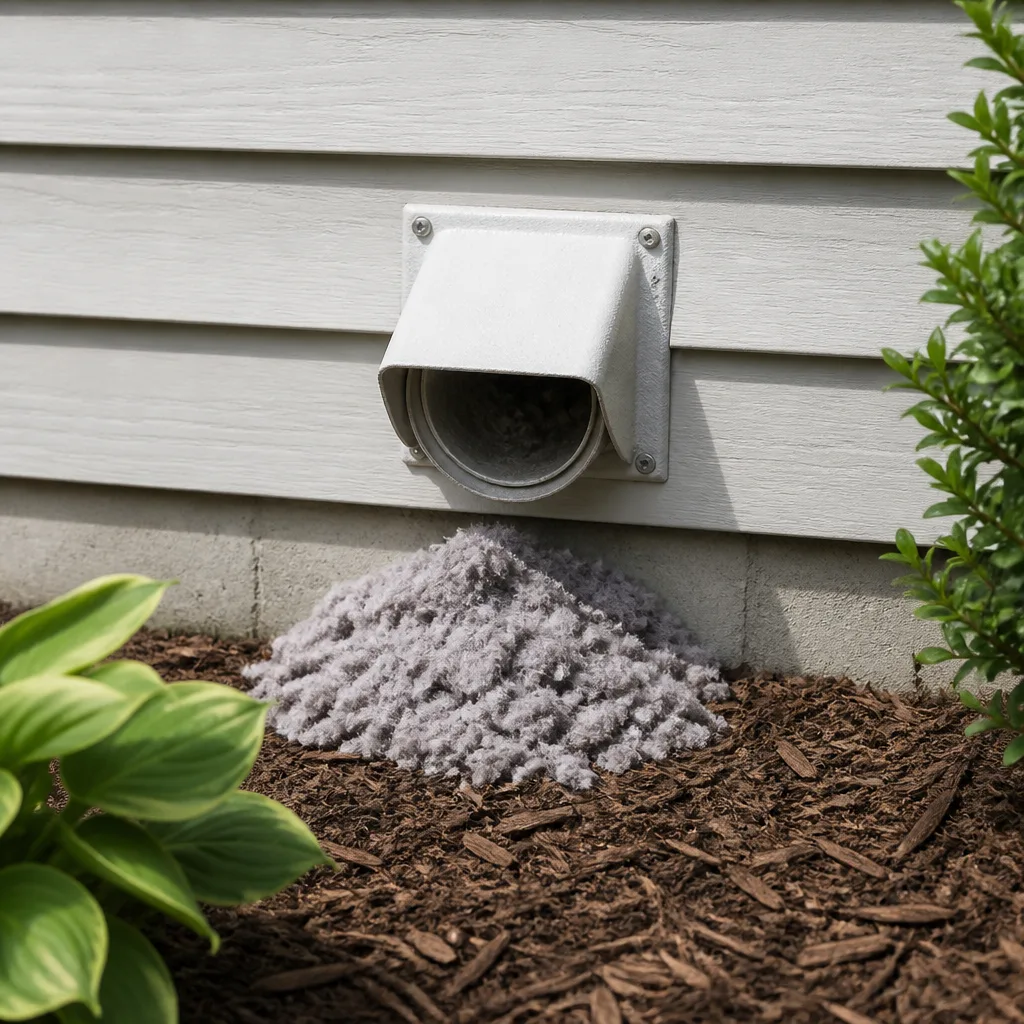 Dryer vent cleaning
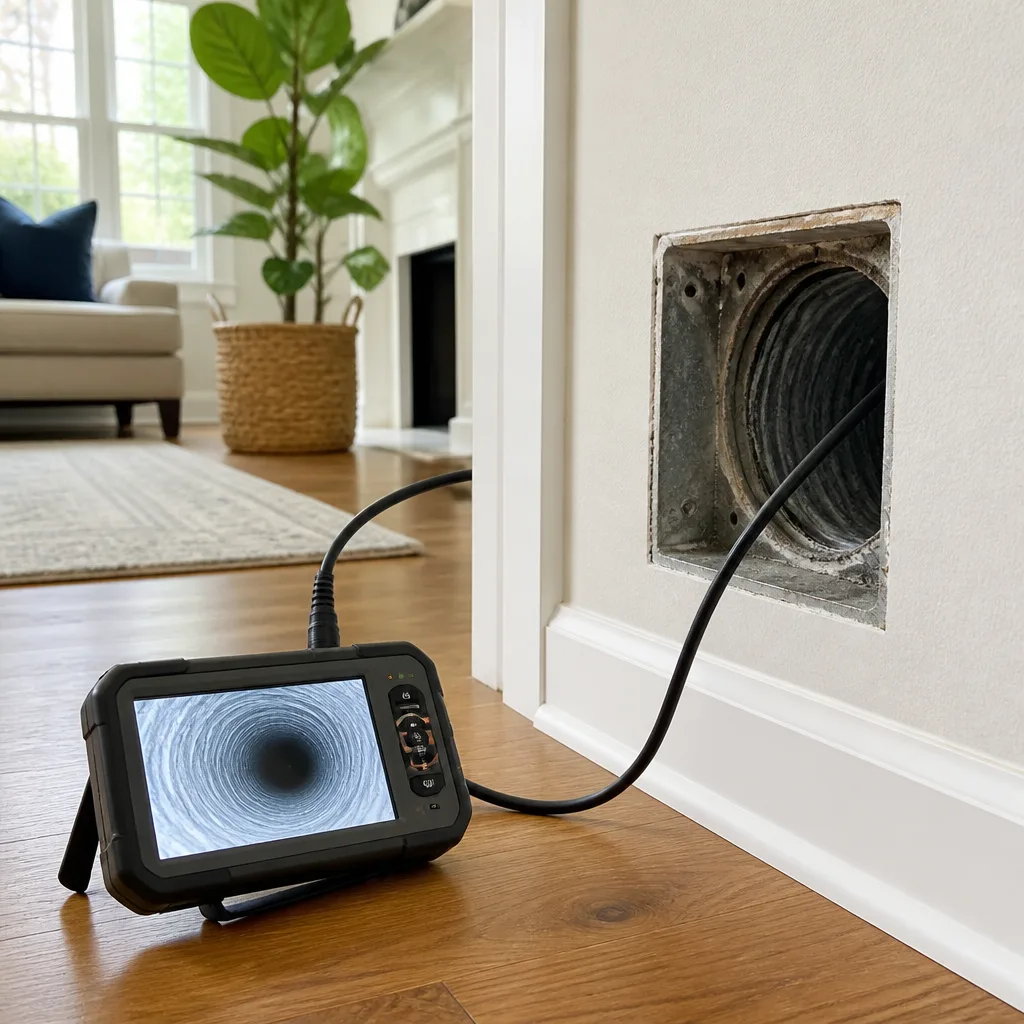 Camera inspection
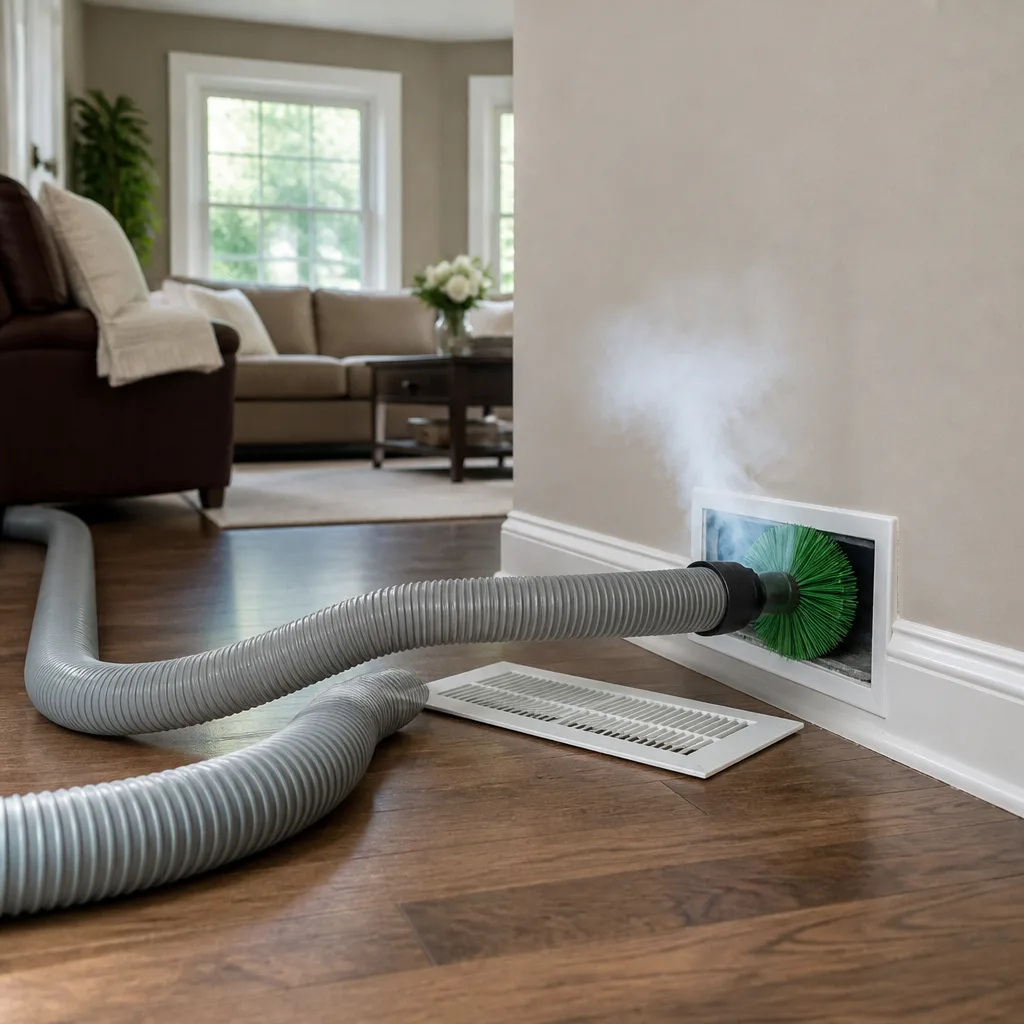 Sanitizing & deodorizing
Whole-system duct and dryer vent check with before-and-after photos - you see exactly what came out of your vents
That "$99 whole-house special" is a bait ad - the real number appears once they are in your hallway, or the "clean" is a shop-vac at the register. We photograph the inside of your ducts before and after instead.
Seasonal Air Duct Cleaning Care for La Jolla: Year-Round Homeowner’s Guide
La Jolla averages 266 sunny days a year, which leads most homeowners to assume their ductwork is fine year-round. What that number hides: June Gloom humidity spikes, September and October Santa Ana winds loading systems with inland particulates, winter wildfire smoke intrusion events, and spring pollen loads from Torrey Pines scrub. Each one hits ducts differently, and a homeowner who knows the pattern can time maintenance to actually matter. This guide breaks down what happens inside your ductwork during each of La Jolla’s four distinct air quality events, what to check, and when a professional cleaning or air duct repair in La Jolla makes sense.
Styles & brands we work with
- Whole-home duct cleaning
- Dryer vent cleaning
- Camera inspection
- Sanitizing & deodorizing
Quick Answer
La Jolla doesn’t have four traditional seasons, but it does have four distinct air quality events per year that stress ductwork in different ways: marine layer humidity from June through August, Santa Ana particulate loading from September through October, wildfire smoke intrusion from November through February, and coastal sage scrub pollen from March through May. The most useful time for a full professional duct cleaning is late spring, before summer HVAC demand peaks, with targeted checks during the other three windows.
Table of Contents
- June Through August: Marine Layer Humidity and Ductwork Moisture
- September Through October: Santa Ana Winds and Particulate Loading
- November Through February: Wildfire Smoke and Duct Contamination
- March Through May: Pollen Season and the Best Cleaning Window
- How to Build a Seasonal Ductwork Log
- Why Equipment Matters: What Professional Duct Cleaning Actually Involves
- Common Mistakes to Avoid
- When to Call a Professional
- Frequently Asked Questions
- The Bottom Line
June Through August: Marine Layer Humidity and Ductwork Moisture
June Gloom in La Jolla isn’t just a grey sky problem. It’s a humidity problem that reaches inside your ductwork. When the marine layer sits over the coast for weeks at a time, relative humidity inside unconditioned spaces like attics and crawlspaces can climb past 70 percent. Return air ducts pull that moist air into the system, where it condenses on cooler metal surfaces and inside duct liner.
What this means in practical terms: any dust already sitting in your ducts becomes damp. Damp dust sticks to duct walls instead of blowing through. Over repeated June Gloom cycles, that moist layer becomes a substrate where mold and bacteria can establish, especially in flex duct runs that sit in warm attics. The attic air might be 85 degrees while the conditioned air flowing through the duct is 65 degrees. That temperature differential creates condensation on the outside of the duct, and any small gap or seam lets moisture migrate inward.
Here’s what to look for during June through August:
- Musty odor when the system first kicks on. If the smell fades after a few minutes of runtime, you’re likely smelling accumulated moisture in the ducts, not a mold problem in the home itself.
- Visible condensation on registers or grilles. This indicates high humidity inside the duct run and warrants a professional moisture check.
- Dampness or staining on the ceiling around supply registers. This can signal condensation forming where the duct boot meets the drywall, a common La Jolla coastal issue.
- Increased dust on surfaces during summer months. Damp ducts trap debris that later dries and breaks loose when the system runs harder.
We’ve opened ducts in La Jolla homes near the coast where the interior liner felt like a damp sponge in July. The homeowner had no idea because the system still cooled the house. Moisture readings inside the register should be dry, typically below 60 percent relative humidity. If you’re seeing condensation or smelling must, that’s the trigger for a professional evaluation rather than a DIY attempt. The fix often involves sealing duct leaks, repairing or replacing damaged liner, and then a full source-removal cleaning to eliminate what the moisture allowed to grow.
Why This Matters More in La Jolla Than Inland
Inland San Diego communities deal with dry heat in summer, which actually helps keep duct interiors desiccated. La Jolla’s coastal position means the marine layer is a recurring feature, not an occasional event. Homes within two miles of the coast can see 40 to 60 June Gloom days per year. That’s 40 to 60 opportunities for moisture to accumulate inside ductwork. Homes in Bird Rock, La Jolla Shores, and Beach Barber Tract face this more intensely than homes in La Jolla Village or Muirlands, simply because the fog sits thicker and longer at lower elevations near the water.
Our air duct cleaning in La Jolla service includes moisture assessment as part of the inspection, because a cleaning that ignores moisture just sets the stage for the same problem to return. The source of the moisture has to be addressed first, whether that’s a duct leak, a bathroom fan venting into the attic, or a disconnected dryer vent pumping humid air into the building envelope.
September Through October: Santa Ana Winds and Particulate Loading
Santa Ana winds are the single most damaging air event for duct cleanliness in La Jolla, and most homeowners don’t connect the two. Here’s what happens: hot, dry air descends from the high desert and pushes toward the coast at speeds that can exceed 40 mph. That air carries fine dust, pollen from inland vegetation, and particulate matter from the dry interior. La Jolla sits at the receiving end of that airflow.
The particulate load during a Santa Ana event is dramatically higher than ambient coastal air. Your HVAC system’s filter is the first line of defense, but here’s the problem: during Santa Ana conditions, the pressure differential across a standard filter changes quickly. A filter that would last 90 days under normal La Jolla conditions can load up in two to three weeks during repeated Santa Ana events. Once the filter reaches capacity, air bypasses it at the edges, and that fine desert particulate goes straight into your ductwork and evaporator coil.
There’s a second issue specific to these dry wind events. Duct liner, the fiberglass insulation material inside many metal ducts, can dry out and become brittle during extended low-humidity periods. Santa Anas can drop relative humidity into the single digits. Brittle liner sheds fibers and fine particulate into the airstream, and those fibers end up circulating through the home. This is a mechanical wear pattern, not a contamination issue, and it’s one reason air duct repair sometimes matters as much as cleaning.
What to check during Santa Ana season:
- Inspect your filter weekly during active Santa Ana events. If it looks loaded with fine tan or grey dust, replace it regardless of age.
- Listen for a change in system sound. A loaded filter makes the blower work harder, and you’ll often hear a higher-pitched whistle at return grilles.
- Check supply registers for fine dust accumulation. This dust is very fine, almost like powder, and it settles differently than household dust.
- Note any increase in static electricity or dry-air discomfort. This doesn’t indicate a duct problem, but it tells you the system is moving very dry air, which accelerates liner degradation.
For homeowners in La Jolla’s canyon-adjacent neighborhoods or properties that sit on ridge lines, Santa Ana particulate loading is more severe. The wind accelerates as it funnels through terrain features, and homes on exposed slopes simply collect more of what the wind carries.
November Through February: Wildfire Smoke and Duct Contamination
Wildfire season in Southern California now extends well into winter, and La Jolla sits downwind of every major burn zone in San Diego County and beyond. Smoke intrusion into ductwork is a different problem than ambient smoke odor in the home. Ambient odor clears when you open windows or run air purifiers. Smoke that has penetrated the duct system and deposited onto interior surfaces keeps releasing volatile organic compounds and odor for months.
Here’s how to distinguish smoke infiltration in ductwork from ambient odor:
- The smell persists after the smoke clears outside. If outdoor air is clean and the odor remains, it’s likely coming from inside the system.
- The smell is strongest at supply registers. Air moving through contaminated ducts picks up odor from deposited particulates and delivers it directly into rooms.
- The smell intensifies when the system runs. This is the clearest signal. If you only notice the odor when the HVAC is actively blowing, the ductwork is the reservoir.
- Particles, not just odor. Smoke particles vary in size, and the finer fraction can pass through even good filters and deposit throughout the duct run.
HEPA filtration at the unit level is insufficient when smoke has already deposited inside the ducts. A HEPA filter on the return side captures particles moving through the system, but it does nothing for the residue already coating duct surfaces. That residue continues off-gassing until it’s physically removed. The containment-grade approach is source removal: agitate the deposited material with rotary brushes, capture it with negative air and HEPA filtration rather than redistributing it, and remove it from the property entirely.
One practical step La Jolla homeowners can take during smoke events: run the system in fan-on mode rather than auto. This keeps air moving through the filter continuously and prevents the system from pulling a full load of smoky air when it cycles on. A Honeywell media filter cabinet in good condition will capture more of the fine fraction than a standard one-inch filter, but no filter prevents smoke deposition entirely.
After a significant smoke event, a professional evaluation should include a visual inspection of the supply plenum and first few feet of duct runs. That’s where deposition concentrates first. If you see a grey-brown film on those surfaces, the system needs a full cleaning, not just a filter change.
March Through May: Pollen Season and the Best Cleaning Window
Spring in La Jolla means the coastal sage scrub and Torrey Pines State Reserve are releasing pollen, and that pollen doesn’t stay outside. The same sea breeze that makes La Jolla pleasant in spring also carries pollen from the reserve directly into coastal neighborhoods. Homes in La Jolla Shores and lower Hillside Drive see more biological loading than homes further inland simply because they’re closer to the source and downwind of the prevailing breeze.
Pollen particles are large relative to other airborne particulates, typically 10 to 100 microns. They’re heavy enough to settle out of the airstream inside ductwork rather than staying suspended and passing through. Over the course of a pollen season, that settled material accumulates on the bottom of horizontal duct runs, especially in return ducts, where air moves slower. If dust mites or other biological activity are present, the pollen becomes part of a larger organic load.
Late spring is the best window for a full professional cleaning in La Jolla, and here’s why:
- You’re cleaning after the biological loading event, not before it. A cleaning done in January doesn’t address the pollen that will accumulate by May.
- Summer HVAC demand is about to peak. A clean system runs more efficiently when it’s working hardest, and that’s the season when airflow restrictions matter most.
- Cleaned ducts stay cleaner through summer. Summer coastal air is lower in particulate load than spring air, so a spring cleaning has longer-lasting results.
- You’re ahead of June Gloom. Entering the humid season with clean, dry ducts reduces the mold and mildew risk associated with marine layer moisture.
We recommend scheduling professional duct cleaning between March and May for most La Jolla homes, with adjustments based on specific conditions. A home adjacent to Torrey Pines with a household member who has pollen allergies might benefit from cleaning on the earlier end of that window. A home in an area with less vegetation exposure can stretch it later.
Our Air Duct Cleaning La Jolla home page covers what a full source-removal cleaning includes, but the short version is this: every register is opened, every duct run is mechanically agitated with rotary brushes, and the dislodged material is captured under negative air pressure with HEPA filtration. Nothing is blown around and redistributed. After the cleaning, the system should be running cleaner than it has since the home was built or the last professional cleaning was done.
How to Build a Seasonal Ductwork Log
Most homeowners have no documented history of their ductwork. They know roughly when the filter was changed and maybe remember the last time a tech mentioned something, but there’s no record. A seasonal log solves this, and it’s worth more than most people realize. When you sell a home, a buyer’s inspector will look at the HVAC system without any history. A documented log tells that inspector, and the buyer, that the system has been maintained deliberately. When you call a tech years from now, that log tells them what’s been happening seasonally, and it helps them diagnose problems faster.
Here’s a simple, practical format. You don’t need anything elaborate:
- Create a one-page note on your phone or a single sheet in a home maintenance binder. Title it “Ductwork Log” with the address and the date the log was started.
- Make four entries per year, one per La Jolla air quality season. June-August entry, September-October entry, November-February entry, March-May entry.
- In each entry, record three things: the date, any filter changes or inspections done, and any observations (odor, visible dust, condensation, noise changes).
- Log maintenance events as they happen, even if they’re outside the seasonal entries. A professional cleaning, a repair, a filter upgrade: all of these go in the log with the date and a one-line description.
- Take a photo of anything unusual. A dusty register, a damp duct surface, a filter that loaded up unusually fast. Attach it to the log entry.
- Keep the log with the home records. When you sell, this transfers with the house and becomes a selling point, not just a maintenance record.
This takes five minutes per season. The value compounds over years because it creates a history that would otherwise be guesswork. A tech who sees a log showing repeated Santa Ana filter loading can recommend a filter upgrade that’s specific to your system and location. A buyer’s inspector who sees a log showing regular professional cleanings and repairs knows the system has been maintained, and that translates to fewer negotiation points during escrow.
Why Equipment Matters: What Professional Duct Cleaning Actually Involves
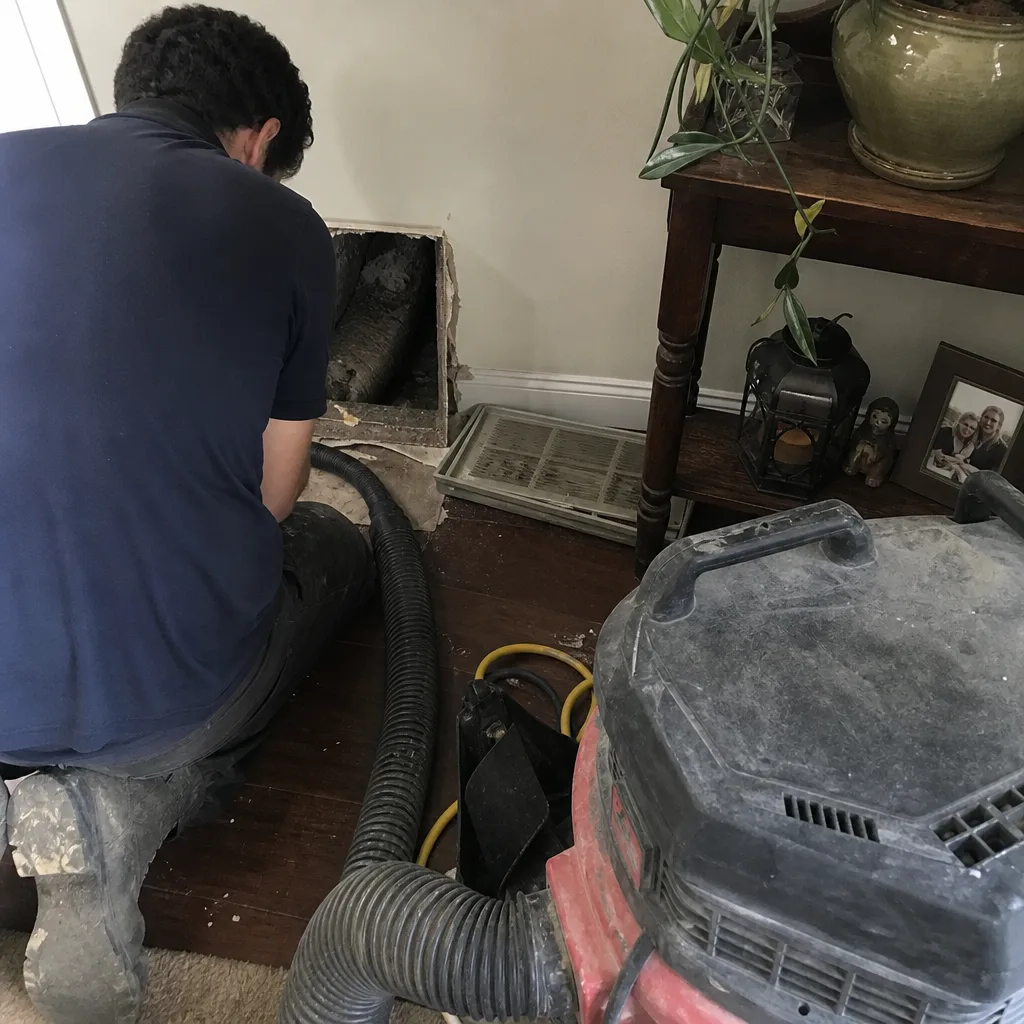
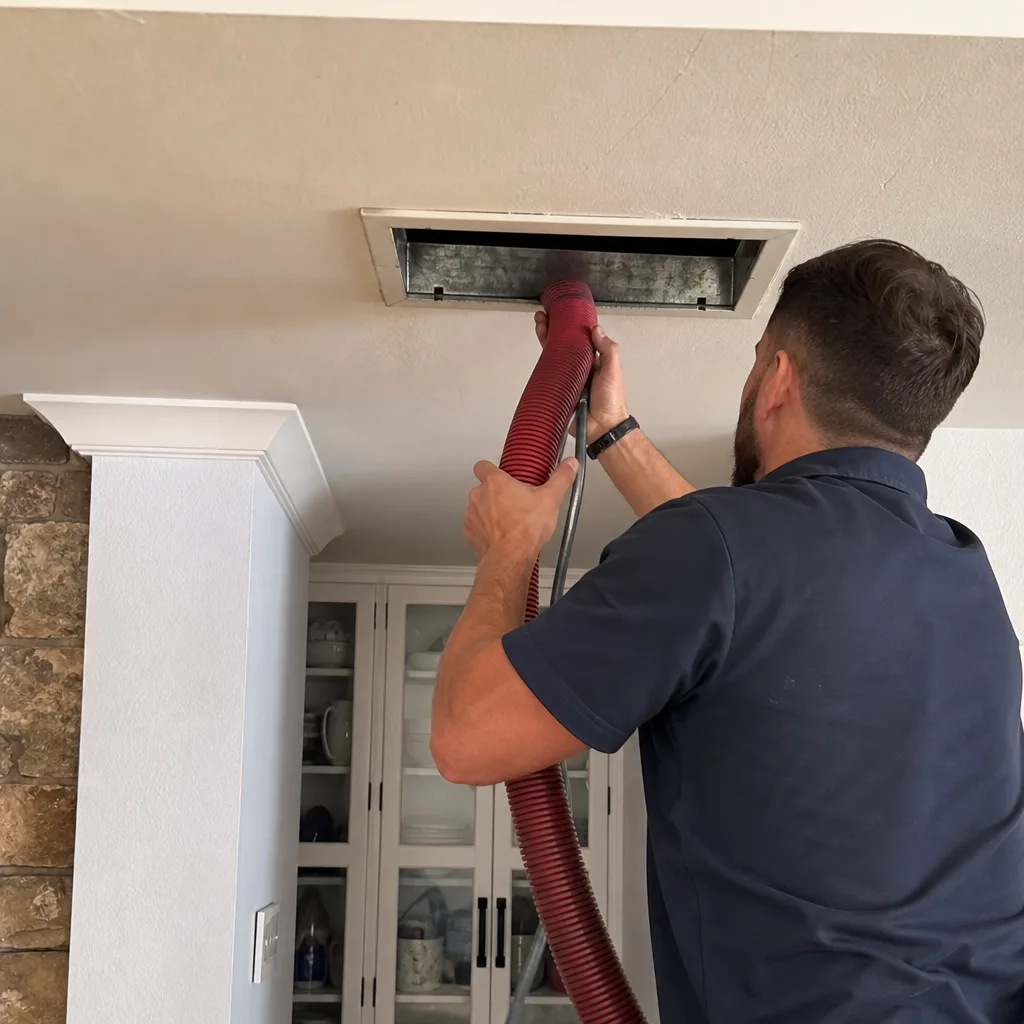
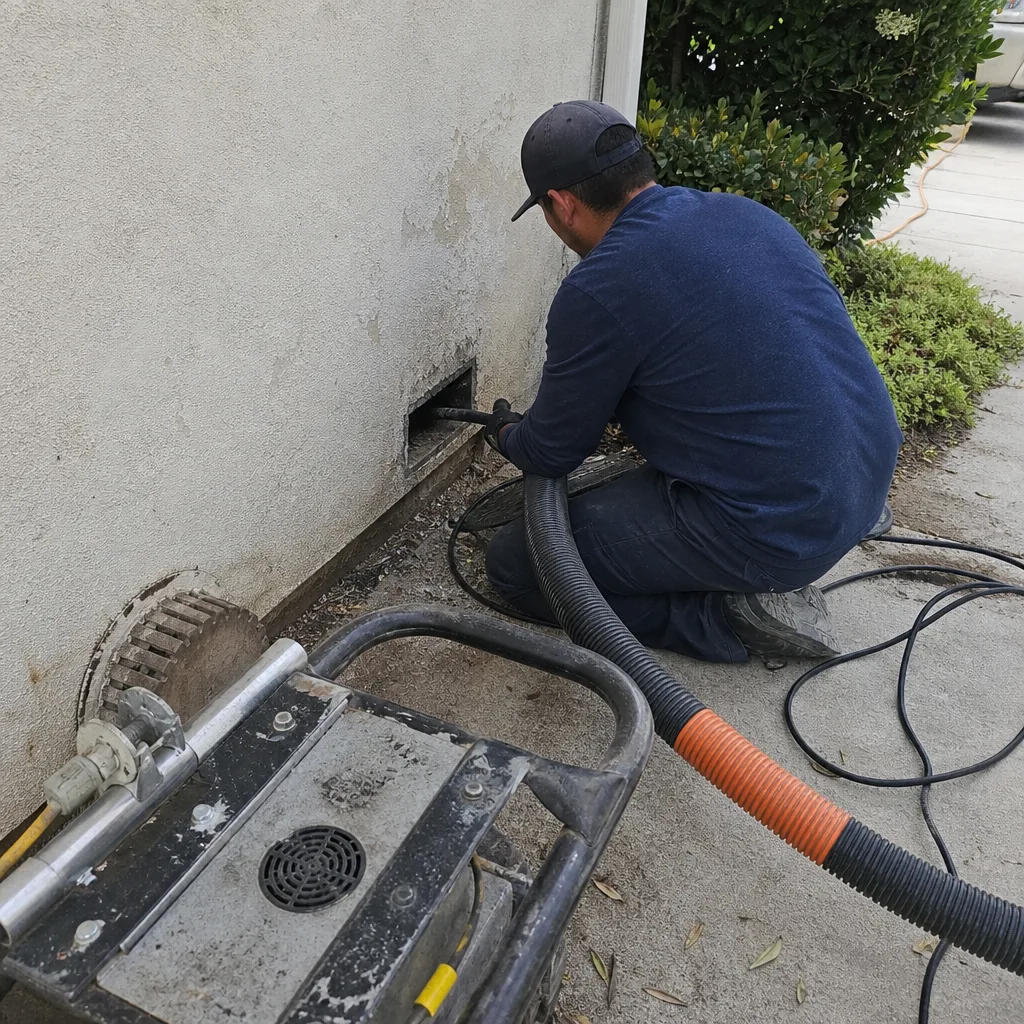
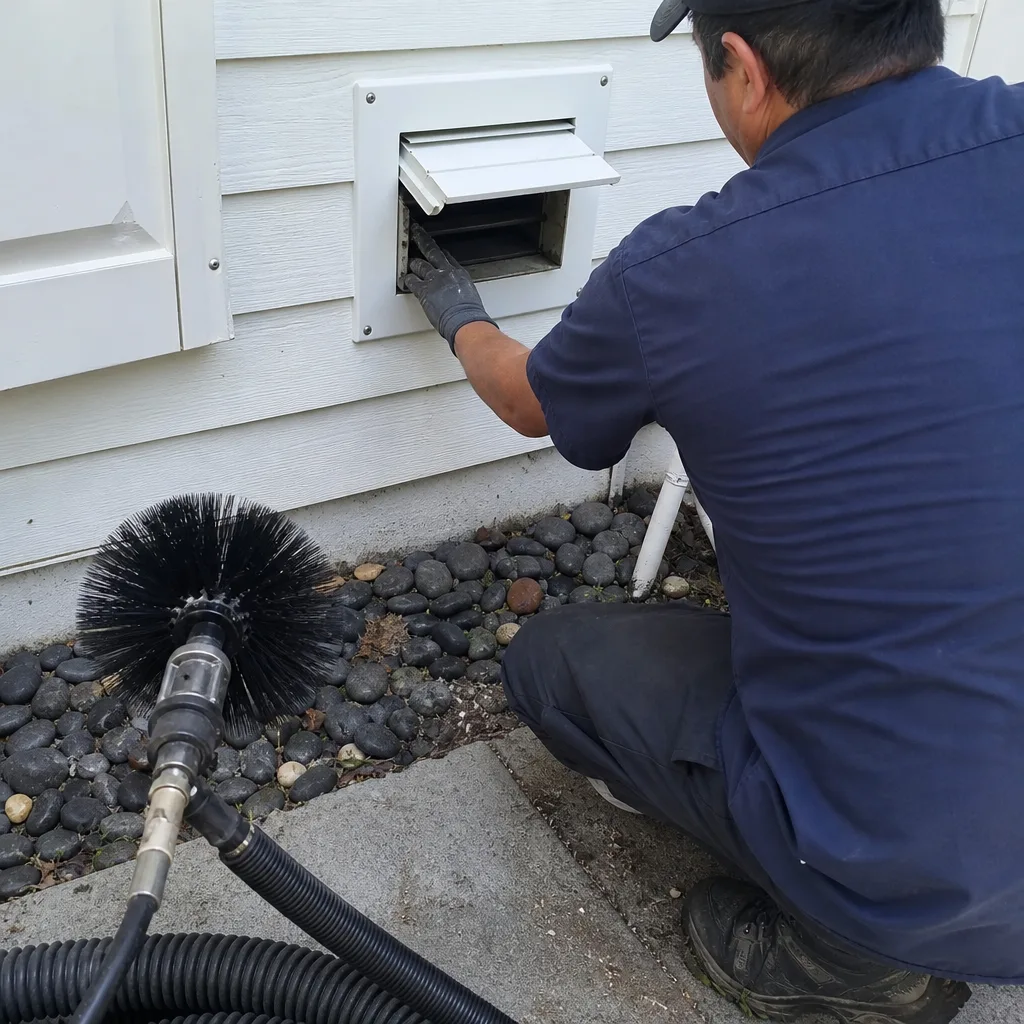
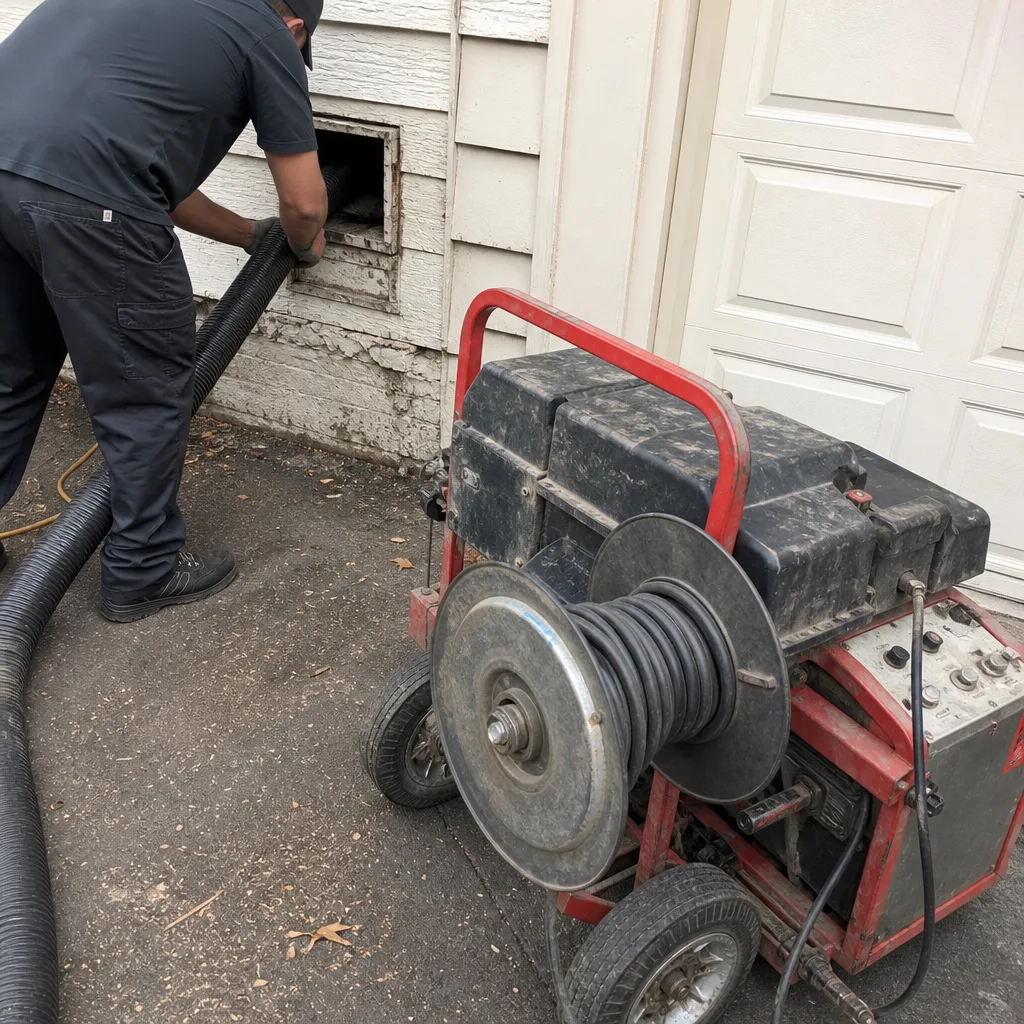
Not all duct cleaning is the same, and the difference is visible in the equipment that comes off the truck. We use Rotobrush rotary brush systems and Nikro HVAC equipment, the same tool sets trusted by professional remediation contractors. These are not consumer-grade vacuums with a long hose attached. A rotary brush system mechanically agitates the interior surface of each duct run, breaking loose the adhered material that a vacuum alone can’t lift.
Equally important is what happens to the dislodged debris. Abatement Technologies negative-air equipment with HEPA filtration is on the truck, and this is what separates containment-grade cleaning from a glorified vacuum job. When you open the system and start agitating surfaces, the debris has to go somewhere. Without negative air and HEPA capture, it goes into the home’s living space. With proper containment, it’s pulled out of the system and captured before it can redistribute. This is the same approach used in professional remediation work, and it’s the reason residential duct cleaning results vary so dramatically between providers.
There’s also the repair component. Duct cleaning alone only removes what’s inside the ducts. If a duct run has a leak, a disconnected joint, or damaged flex duct, that problem remains after the cleaning is done. We offer air duct repair in La Jolla as a core service, not an afterthought. Cleaning and repair in one visit means a single call can address the contamination, the source of air loss, and any damaged duct sections without handing the job off to another contractor.
On the filtration side, we work with Honeywell and Aprilaire components regularly, which means we can give you informed guidance on filtration upgrades alongside a cleaning scope. If your system is running a standard one-inch fiberglass filter and you’re dealing with Santa Ana loading or smoke season concerns, the fix is usually a media filter cabinet that provides more surface area and better capture. These are the kind of upgrades that make a real difference in La Jolla’s specific air quality conditions.
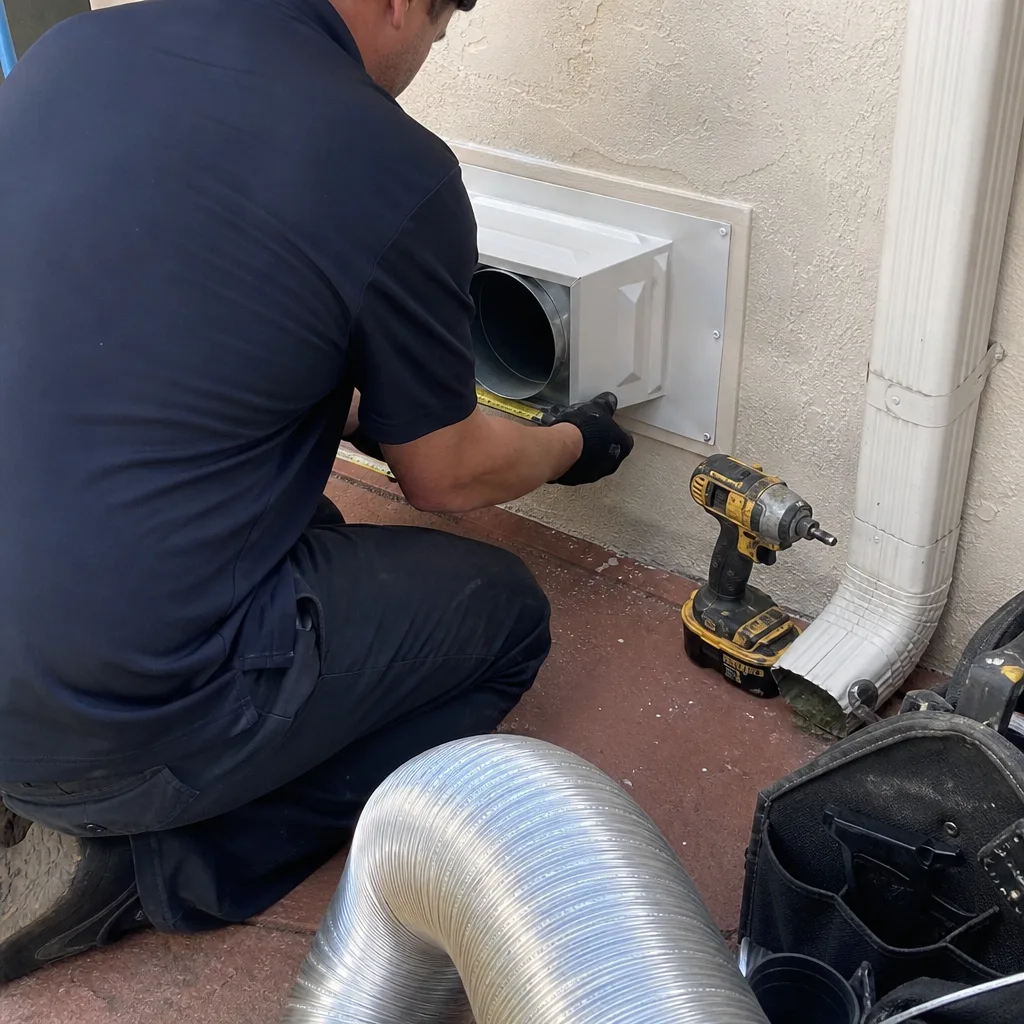
And while duct cleaning is the primary focus, dryer vent cleaning in La Jolla addresses a fire-risk issue that most homeowners underestimate. Your dryer vent is a safety concern, not just a maintenance item. Lint accumulation is a leading cause of residential dryer fires, and a clogged vent also forces the dryer to run longer, which means more energy use and more wear on the appliance. We consider it part of the same home-air-system picture.
Common Mistakes to Avoid
- Assuming coastal air means clean ductwork. La Jolla’s location creates specific contamination patterns, from marine layer moisture to Santa Ana particulate loading. Coastal air is not automatically clean air.
- Changing the filter only when it looks dirty. During Santa Ana events, a filter can load past capacity in weeks. By the time it looks dirty, it has been bypassing air for days.
- Running the system during a heavy smoke event without checking the filter afterward. Smoke particles load filters very quickly. A filter saturated with smoke particles stops capturing anything and becomes a restriction.
- Ignoring a musty odor because it fades after a few minutes. That odor is telling you about moisture inside the system. The fact that it fades doesn’t mean the problem goes away; it means the system is blowing through it.
- Scheduling duct cleaning in the middle of summer or fall without considering the seasonal pattern. Late spring is the highest-value window in La Jolla. Cleaning in October means the system has already been through the marine layer season and is about to enter Santa Ana season.
- Treating duct cleaning as a one-time event. Ductwork operates continuously in La Jolla’s climate. It accumulates material seasonally, and maintenance should be seasonal too, even if full cleanings are less frequent.
- Assuming all duct cleaning services are equivalent. The equipment difference matters. A rotary brush system with negative air capture and HEPA filtration removes source material. A basic vacuum through a register does not.
When to Call a Professional
Some conditions justify a professional evaluation rather than seasonal monitoring. If you see visible mold growth on any duct surface, register, or grille, that’s a professional call the same day. If you smell a persistent musty or smoky odor that intensifies when the system runs and doesn’t resolve after filter changes, the source is inside the ductwork. If a register is blowing noticeably less air than others, you may have a duct leak or a partial disconnect wasting conditioned air into the attic. If you see fine dust accumulating on surfaces within days of cleaning, the system is delivering particulates from somewhere, and that somewhere is usually the ducts. Air Duct Cleaning La Jolla offers free estimates in La Jolla. Call (866) 282-7507 to schedule an evaluation, and we’ll tell you honestly whether your system needs attention right now or whether seasonal monitoring is the right approach for your home.
Frequently Asked Questions
Most La Jolla homes benefit from a full professional duct cleaning every two to three years, with the ideal timing between March and May to capture spring pollen before summer HVAC demand peaks. Homes closer to the coast with heavier marine layer exposure, or homes adjacent to Torrey Pines with significant pollen loading, may need annual cleaning. Homes further inland with minimal vegetation exposure can sometimes extend beyond three years. The seasonal log described above will tell you when your specific system is accumulating material faster than normal.
A full source-removal duct cleaning in La Jolla typically ranges from $400 to $900 for a standard single-family home, depending on the number of systems, accessibility of the ductwork, and the amount of accumulated material. A crawlspace or attic with difficult access adds to the scope. The price should include agitation of every duct run with rotary brushes, negative air capture with HEPA filtration, and cleaning of the supply and return plenums. Call (866) 282-7507 for an exact quote on your home. Estimates are free.
Cheaper quotes usually mean less thorough work or narrower scope. A low-cost service may only vacuum through registers without opening the system, or it may cut the agitation and containment steps that remove adhered material. Some services quote a low price to get a technician in the door and then add on charges for each additional register or system. The professional standard involves rotary brush agitation, negative air capture, and HEPA filtration, and that equipment costs money to run and maintain. If a quote seems too low, ask what equipment they’re using and whether the price includes every register, every duct run, and the plenums.
Before and after photos of your own ductwork are the standard of proof. A professional service should be able to show you what the interior of your ducts looked like before cleaning and what they look like after. We photograph the plenum and representative duct runs before starting and again after the cleaning is complete, so you can see the difference with your own eyes. If a company can’t or won’t provide this documentation, that’s a red flag.
Duct cleaning removes the accumulated pollen, dust, and biological material that settles inside ductwork and gets redistributed when the system runs. For La Jolla residents with allergies to coastal sage scrub or Torrey Pines pollen, cleaning can reduce the allergen load delivered through the HVAC system, especially during spring and early summer. The effect is most noticeable in bedrooms and other spaces where the system runs frequently. Filtration upgrades with a Honeywell or Aprilaire media cabinet can provide ongoing capture after the cleaning is complete.
You can clean registers, grilles, and the first few inches of visible duct with a vacuum and a damp cloth, but that addresses only the visible surface. Mechanical agitation of the entire duct run requires access to every section, which typically means removing register covers and sometimes opening the plenum. The agitation and containment equipment matters too: without negative air and HEPA capture, dislodged material redistributes through the home. For most homeowners, the practical answer is professional cleaning on a two to three year cycle, with DIY register cleaning in between. Call (866) 282-7507 if you want an honest assessment of whether your system needs professional attention.
The Bottom Line
La Jolla’s air quality follows a pattern, and your ductwork is the record of that pattern. Marine layer humidity from June through August deposits moisture that turns accumulated dust into a biological substrate. Santa Ana winds from September through October load systems with fine inland particulates that bypass standard filters and accelerate duct liner degradation. Wildfire smoke from November through February deposits residue that keeps off-gassing until it’s physically removed. Spring pollen from March through May settles in duct runs and accumulates until the system is cleaned. Knowing the pattern lets you anticipate problems instead of reacting to symptoms, and a seasonal log turns that knowledge into a documented history. The highest-value maintenance decision you can make is scheduling a professional cleaning in late spring, before summer demand and before June Gloom returns. Call (866) 282-7507 for a free estimate, and we’ll help you figure out where your home fits in the seasonal cycle.
Written by the team at Air Duct Cleaning La Jolla, serving La Jolla since 2018.
See the difference
 Before
 After
 Before
 After
 Before
 After